Partner programs
Build a partner program that actually scales
For B2B businesses that grow through partners. We design the strategy, structure, and enablement that make a partner channel actually work.
 Red Dot Award winning team
 MIT Design Lab
What we do
Most partner programs fail before they start
The strategy exists. The ambition is there. But partners don't have what they need to sell, and the infrastructure to support them was never built.
We design the full program: partner categories, commercial logic, onboarding, sales materials, and the enablement that turns a partner list into a growth channel. For businesses expanding internationally, local partners are often the fastest route to new markets, and we design programs built to work across regions rather than just one.
Our channel partner methodology has been used by more than 150,000 people worldwide, including teams at Canon and Tele2 IoT, to design and scale partner ecosystems.
What a structured program changes
Multiply your sales capacity
A well designed channel partner program extends your commercial reach beyond your internal team. When incentives, roles, and enablement are clearly defined, aligned partners can meaningfully increase sales capacity.
Expand to new countries and regions
Local channel partners bring established relationships, regional expertise, and trust that would otherwise take years to build internally. A well defined partner model speeds up market entry while reducing risk.
A proven framework
Built on a channel partner methodology used globally since 2013 to help organisations design successful, scalable partner programs.
A structured channel partner program framework
We design partner programs aligned with your revenue strategy. Regardless of how complex your market or offering is, our methodology helps you build a channel partner program that supports your growth objectives.
Step 1
Deep business understanding
We immerse ourselves in your business model, offering, and market dynamics to clarify how partners should strengthen your commercial strategy rather than dilute it.
Step 2
Partner profile and segmentation design
Through focused workshops, we define your ideal partner profile, segmentation logic, and tier structure, and map how partners interact with your sales process and customers.
Step 3
Partner program blueprint
We consolidate the insights into a clear partner program blueprint that aligns leadership, sales, marketing, and partner teams around defined roles, incentives, governance, and communication.
Step 4
Program assets and enablement
We build the core assets your program requires: partner presentations, onboarding frameworks, enablement material, website copy, and communication tools designed for clarity and adoption.
Step 5
Alignment and approval
Through structured feedback and iteration, we refine the architecture and materials until key stakeholders formally approve the final model.
Step 6
Launch and internal enablement
We support rollout and train your internal teams to manage, activate, and support partners effectively.
Step 7
Post launch optimisation
We stay involved after launch, helping you measure performance, establish feedback loops, and refine the program based on real world results.
Work in this area.
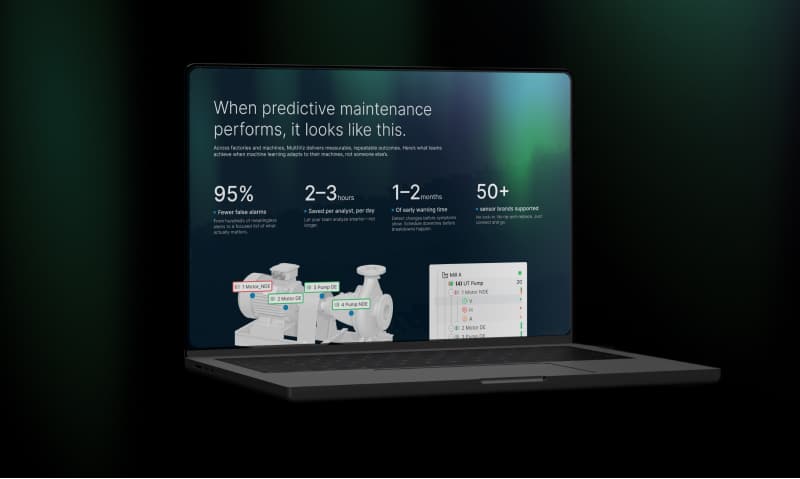
Viking Analytics
We mapped this AI predictive maintenance platform's business, then rebuilt brand, website and product.
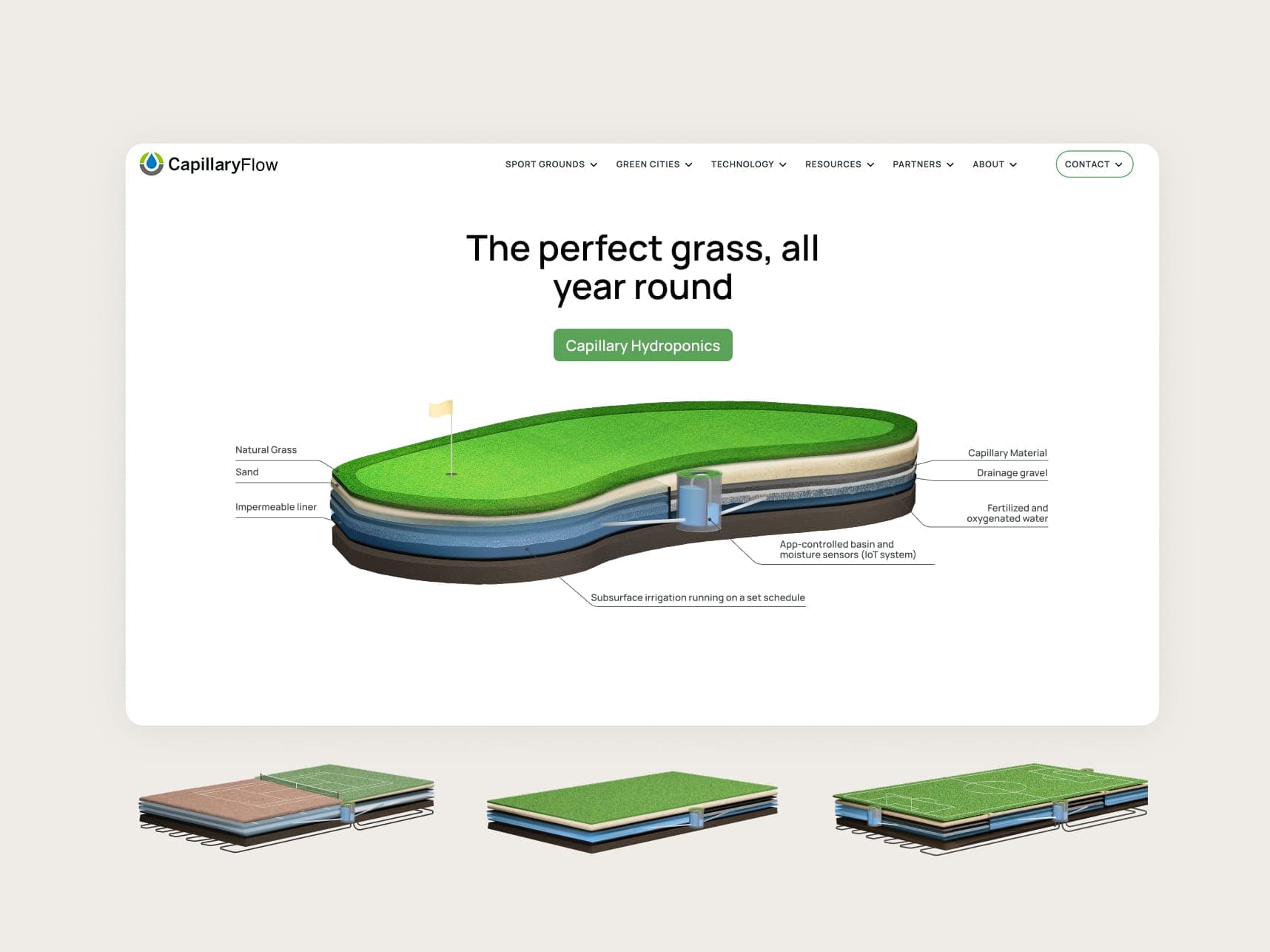
Outcome: 100% increase in website traffic
CapillaryFlow
Business transformation spanning rebrand, website & partner program, turning a golf brand into a tech brand.
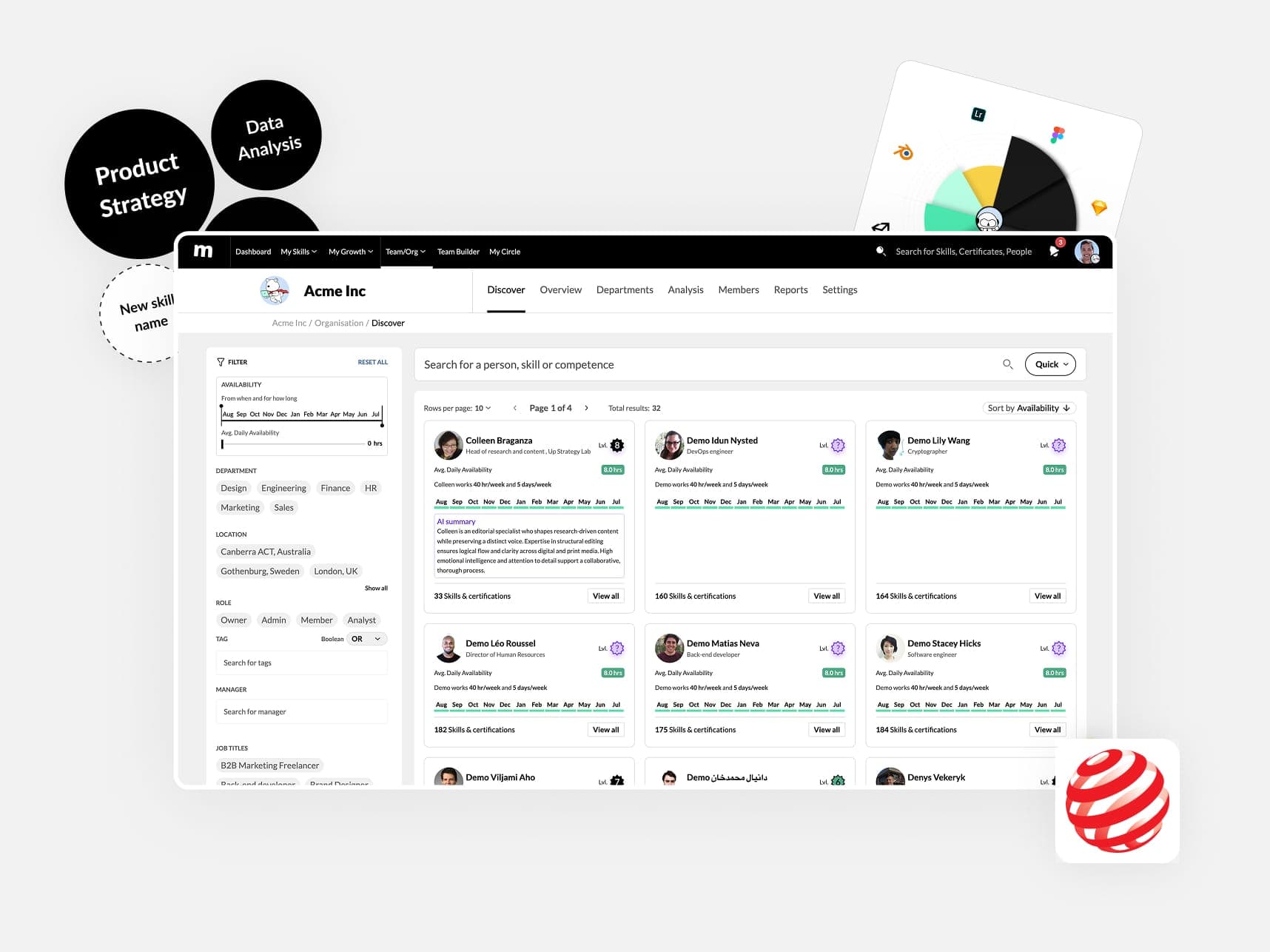
Outcome: Red Dot Award
MuchSkills
We started with the problem. It grew from a spreadsheet to an award-winning skills intelligence platform.
Some of the companies we have built partner programs with.








Next
Talk through your partner strategy
Tell us where your partner motion is today and what's getting in the way. We'll tell you what a structured program would change.