Digital product design for software that's hard to explain
For B2B software founders and product leads whose engineering is years ahead of the interface. We redesign live products and design new ones, conventional or AI-first, so enterprise buyers get it in the first demo and deals stop stalling.








The product works. The interface doesn't show it.
Buyers never see the engineering. They see the screen.
Demos that stall after the deck
Buyers nod through the slides, then get lost the moment they touch the product.
Onboarding that needs you on a call
New users can't get started unless someone from your team talks them through it.
Design debt with every release
Each sprint adds another pattern, and the UI drifts further from anything consistent.
Agencies that made it prettier
They polished the screens but never understood how the product actually works.
Start with the product you have, not a six-month bet
- 01
Review the product
A teardown of your flows and interface: a prioritised fix list, a key screen redesigned to show the direction, and a walkthrough with the designers who did it.
- 02
Put a senior designer in your team
Half-time or full-time, working in your sprints next to your developers. Senior design thinking this month, not after six months of hiring.
- 03
Hand over the whole redesign
One team owns it from strategy to launch and stays through adoption, so your engineers build from tested designs instead of guesses.
UX, UI and AI design from one senior team
Your product is complicated for good reasons. The interface doesn't have to be.
- Also on request: brand drawn for screens rather than print, and technical diagrams that explain your architecture without an engineer in the room.
UX and interaction design
User flows, information architecture and every state from empty to error, so prospects follow the product in the first demo.
UI design and design systems
Tokens, components and usage rules in one documented library, so developers ship consistent screens long after we've gone.
AI product design
Prompt patterns, confidence cues and ways to correct the model, so users trust your AI features enough to use them.
Prototyping and testing
Clickable prototypes tested with real users before code, so the redesign your board sees is already proven.
Designers who've lived your trade-offs
You get a clear order of what to fix first, from people who've funded a product themselves. We know which screens earn their budget and which can wait.
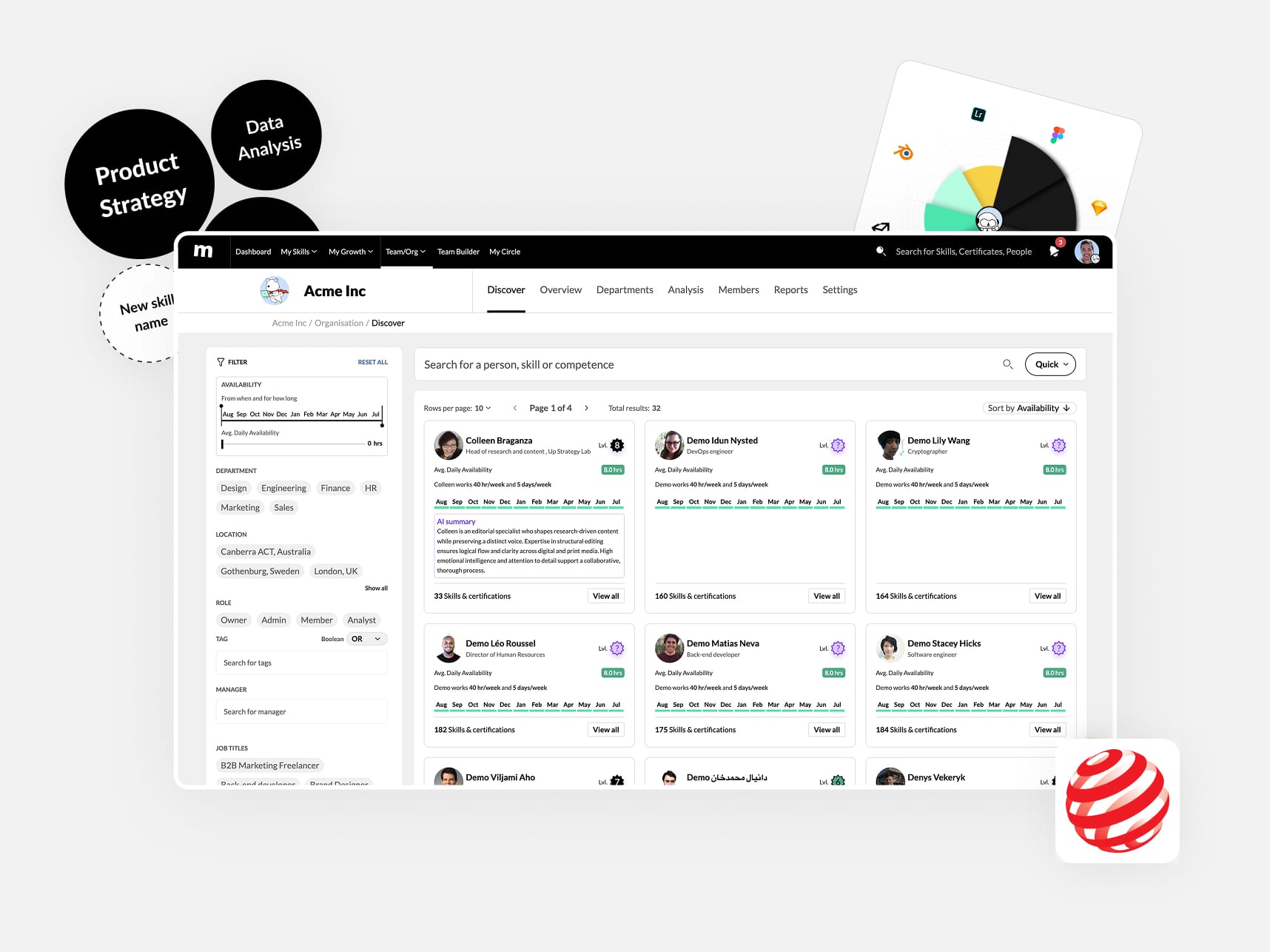
 Our own venture went from a spreadsheet prototype on a bootstrapped budget to a Red Dot Design Award for product design. It holds 5.0 on Capterra and is a Major Contender in Everest Group's PEAK Matrix 2026.
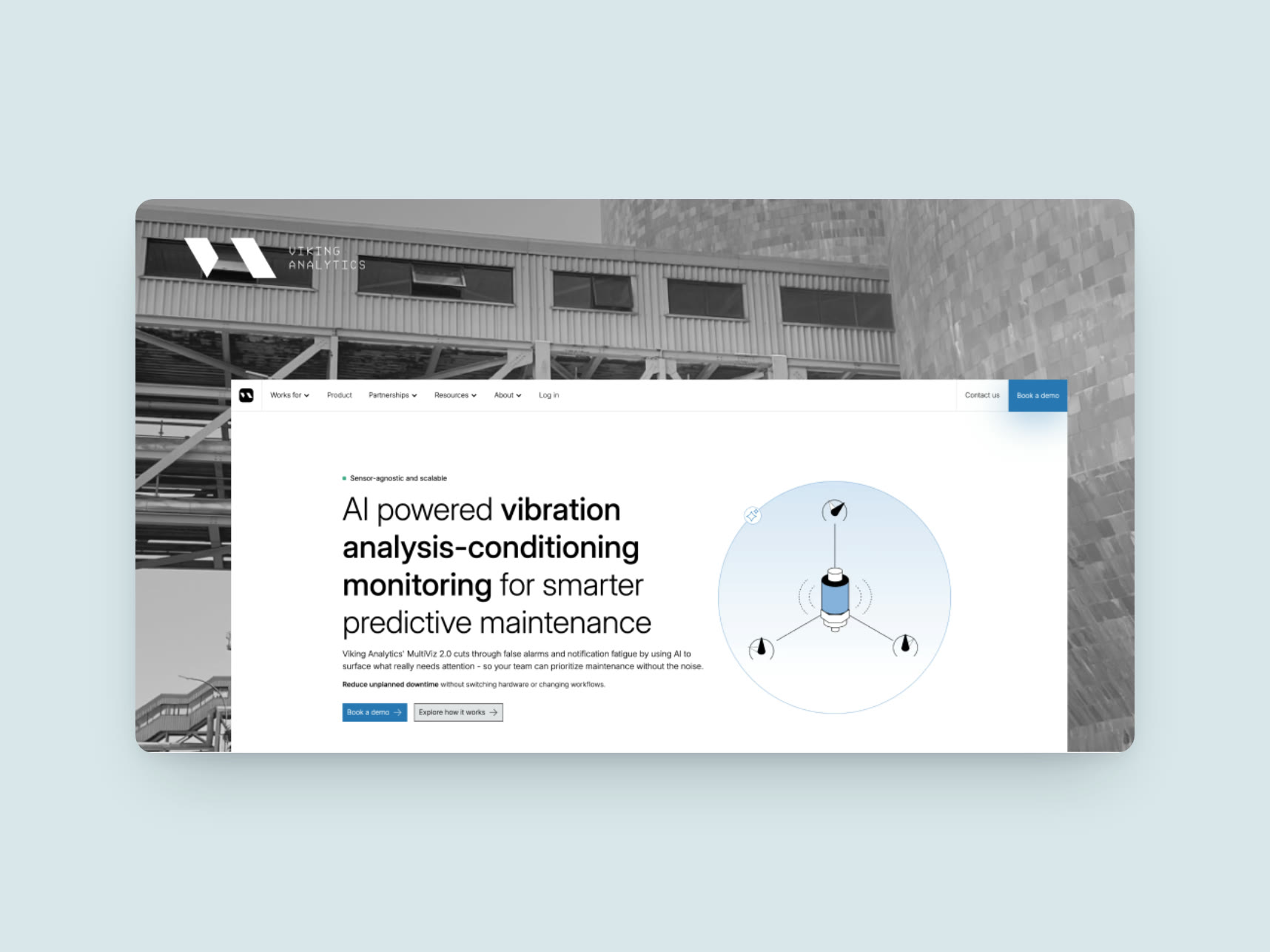
 We rebuilt MultiViz 2.0, their predictive-maintenance platform, alongside the website and partner programme over nine months.
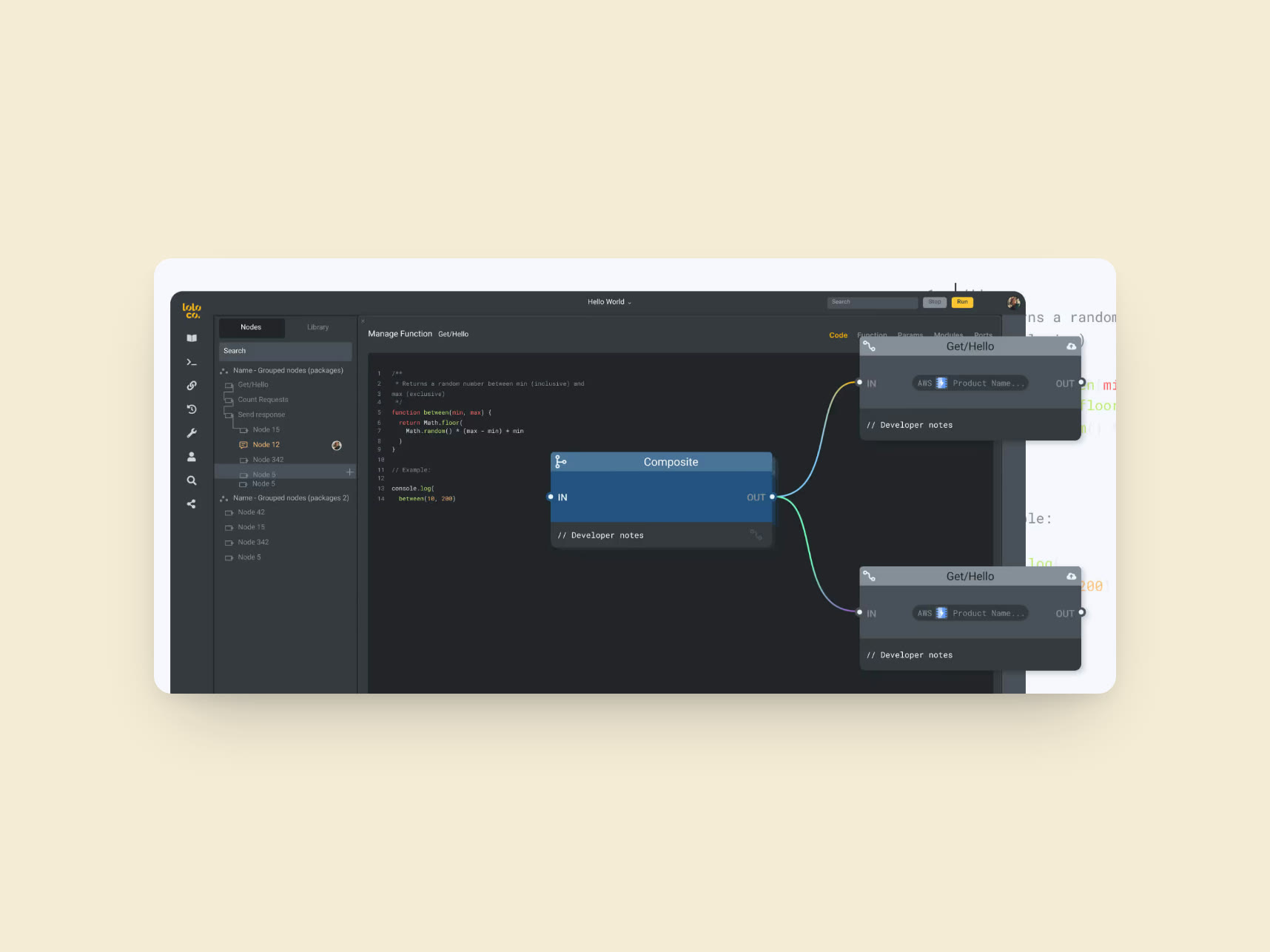
 We reworked their visual editor in month-long sprints next to their own developers.
We have worked with Up Strategy Lab for several years now. From handling our rebrand from AiraPower to Freepower to taking care of all our web design and development work as well as our app design, their support and advice have been key to helping us stay consistent as the company has grown.
 Jake SlatnickCEO, Freepower
The parts of a product people actually touch.
Related work
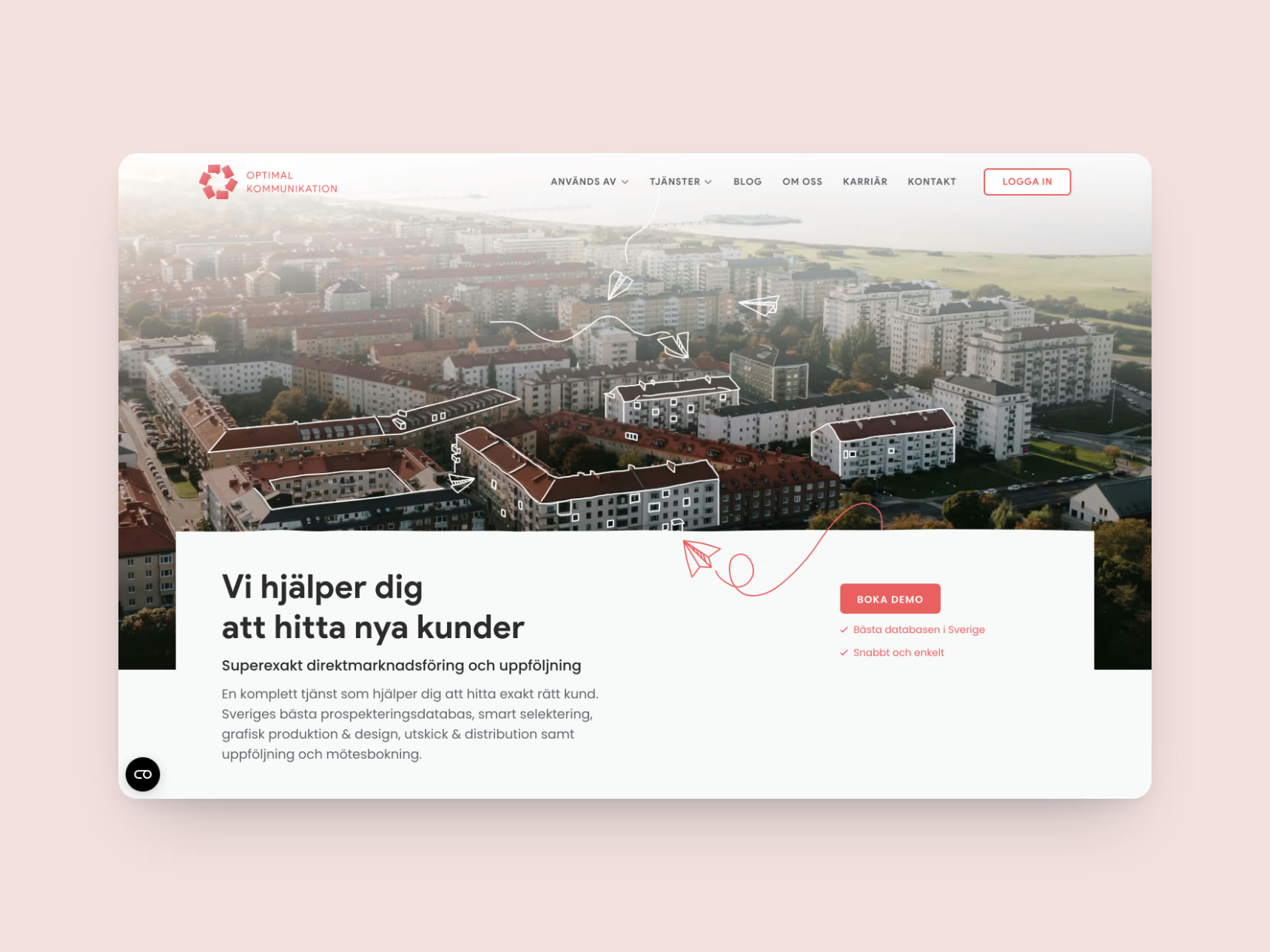

Ask the awkward questions before the redesign, not after

What is digital product design?
Digital product design is shaping how a piece of software works and feels: UX structure, interaction design, interface design and the design system that holds it together. For complex B2B software it also means making the product explain itself, so buyers understand it in a demo and new users get started without a call with your team.
What's the difference between UX, UI and interaction design?
UX design decides the structure and flow: what a user needs to do and in what order. UI design is how each screen looks and reads. Interaction design covers behaviour, such as what happens when someone clicks, waits or makes a mistake. On a complex B2B product the three can't be separated, so our designers handle all three together rather than handing off between specialists.
Can you design a new app or software product from scratch?
Yes. Most clients come to us with a live product that needs a redesign, but we also design new products from the first prototype. MuchSkills, our own venture, started exactly that way. We design new builds both as conventional software and as products with AI at the core, and we stay involved through launch and adoption.
Do you do AI product design?
Yes. AI product design is part of the same engagement, not a bolted-on workstream. We design the onboarding, interaction patterns and feedback that show users what the model is doing and why, so they trust the output and know how to use it. For regulated industries we also build with One AI Advisory, which we co-founded with Jenny Holm.
Are you a UX and UI consultant in Gothenburg?
Yes. Up Strategy Lab is a digital product design studio founded in 2018 and based on Nordhemsgatan in Gothenburg, Sweden. Product design is led by co-founder Noel Braganza and Yunan Xing, our Lead Digital Product Designer. We work with clients across Europe, the US and Asia as well as closer to home.
How much does digital product design cost?
It depends on the scope. Our projects have ranged from about €5,000 to well over €100,000, and embedded designers are billed monthly at a rate agreed up front. Tell us your budget in the form or on a call and we'll show what fits inside it.
How long does a product redesign take?
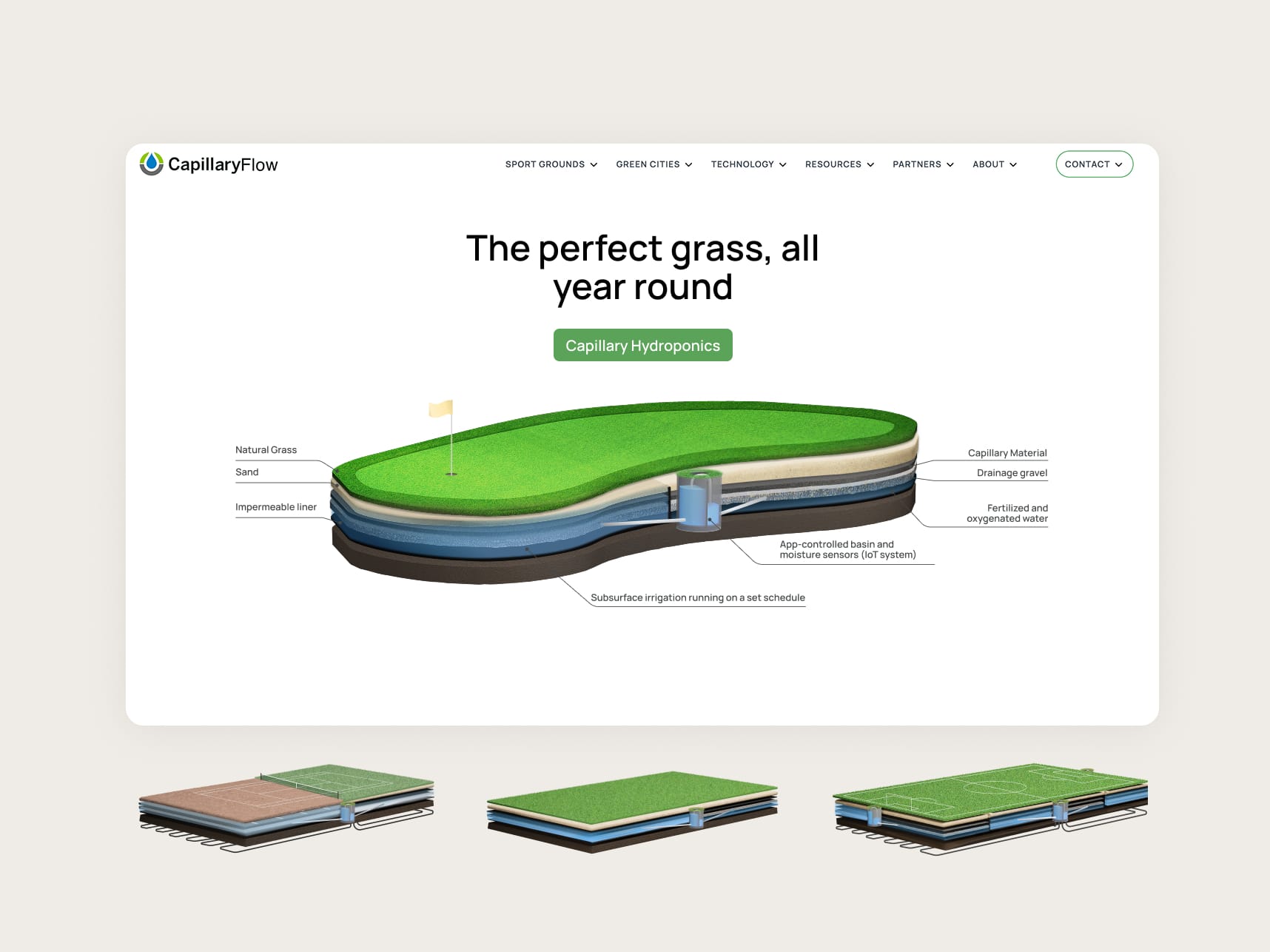
A first review of the product can take a couple of weeks. A full engagement from strategy through delivery usually runs three to six months, depending on scope. Published projects have run from one month, for Lolo's visual editor, to more than a year for CapillaryFlow and FreePower. Embedded designers stay for as long as you need them.
Will our developers be able to keep the design going after you leave?
Yes, that's what the design system is for. We document components, patterns and usage rules, and work with your developers during the build rather than handing over files at the end. We also stay through adoption after launch, so the system is in daily use before we step back.
Show the board a plan, not a gamble
A bad redesign is expensive and visible to your biggest customers. Walk in with what to fix first, and one screen already redone to prove the direction.