Expertise
We designed this one ourselves – from business case to Red Dot-winning product to global platform.
Project duration
5+ years

We designed this one ourselves – from business case to Red Dot-winning product to global platform.
5+ years

Working across consultancies in Europe, the US, and Asia, Noel Braganza, co-founder of Up Strategy Lab, kept noticing the same thing: people in the same organisation had no real visibility into each other's skills. CVs got filed away after hiring. Performance reviews were confidential. The institutional knowledge of who was good at what – and who wanted to grow into what – lived in no one's head consistently and nowhere on paper usefully.
The result was miscommunication, unbalanced workloads, and talent decisions made on assumption rather than evidence. Teams that could have been exceptional were operating blind.
Noel built a first version in Google Sheets. Colour-coded, self-assessed, shared with the whole team. It was not elegant – but the concept worked immediately. People could see each other. Leaders could plan. The invisible became visible.
That spreadsheet became MuchSkills. No client brief, no external funding, no safety net. Just a problem worth solving and the conviction to build the answer.
Building a venture from a blank page is a different kind of design challenge. There is no one to brief you, no one to approve your decisions, and no one to blame when something does not work. Every call is yours.
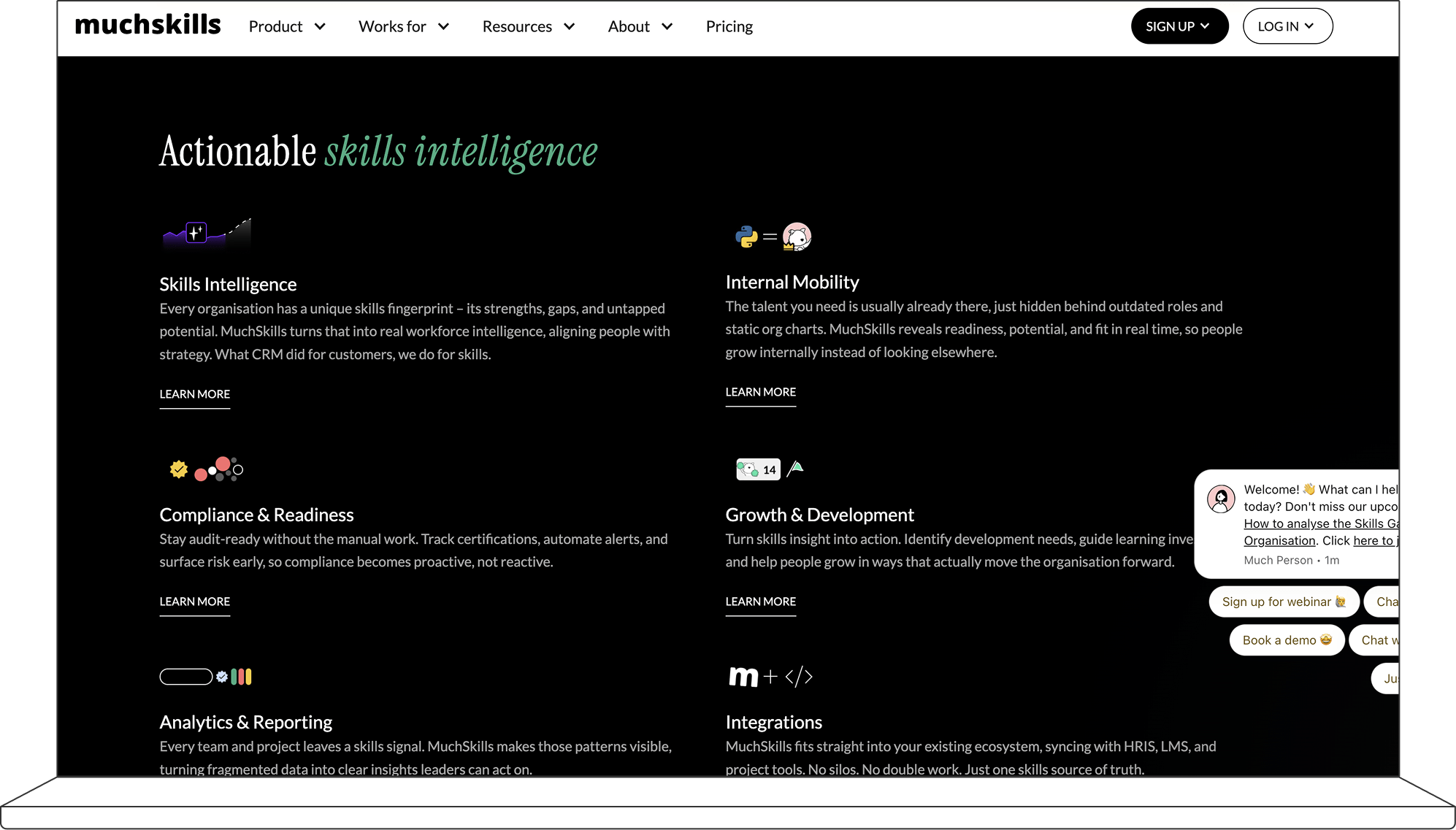
We started with the problem, not the product. Research into how organisations actually manage skills – the spreadsheets, the guesswork, the talent decisions made on instinct – shaped the core product concept: a visual, intuitive skills intelligence platform that makes the invisible visible. What CRM did for customers, MuchSkills would do for skills.

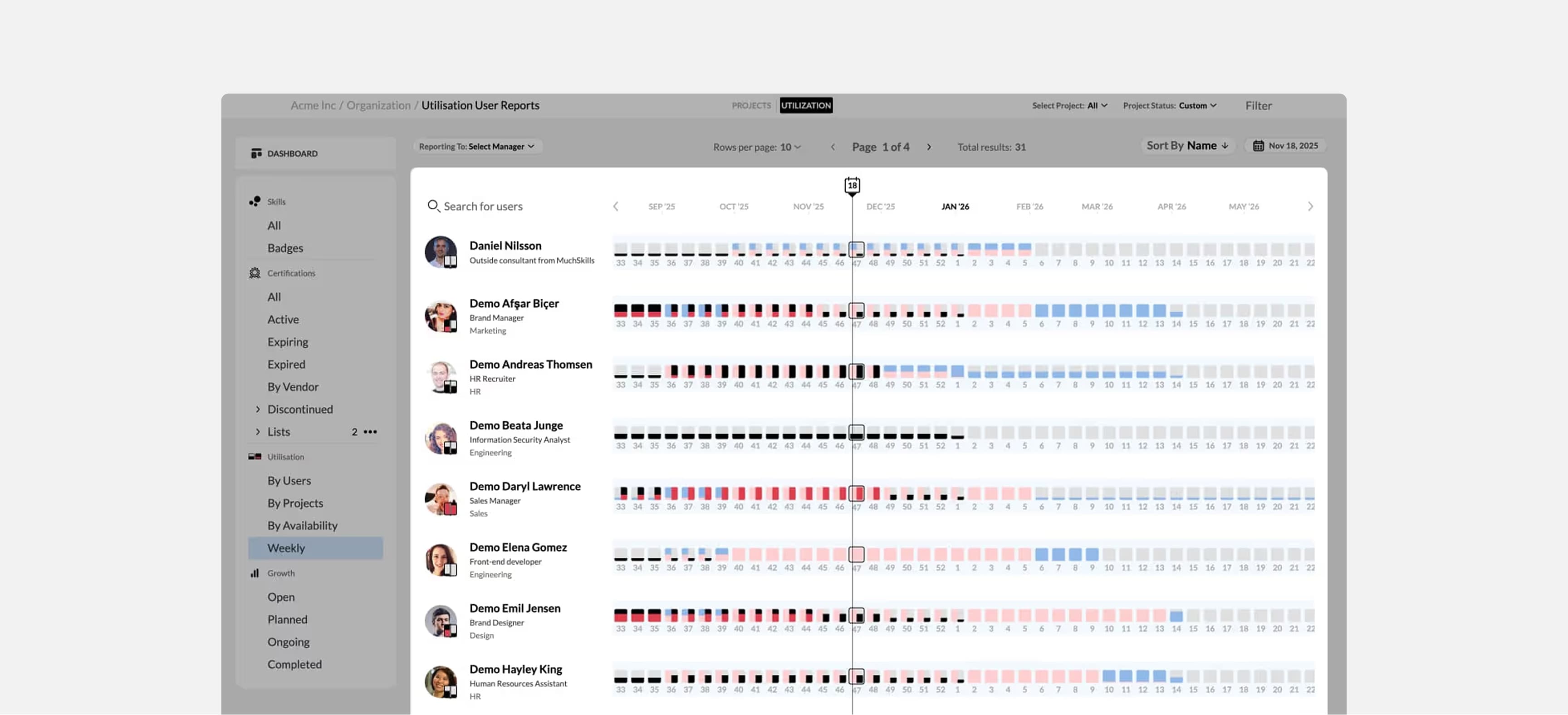
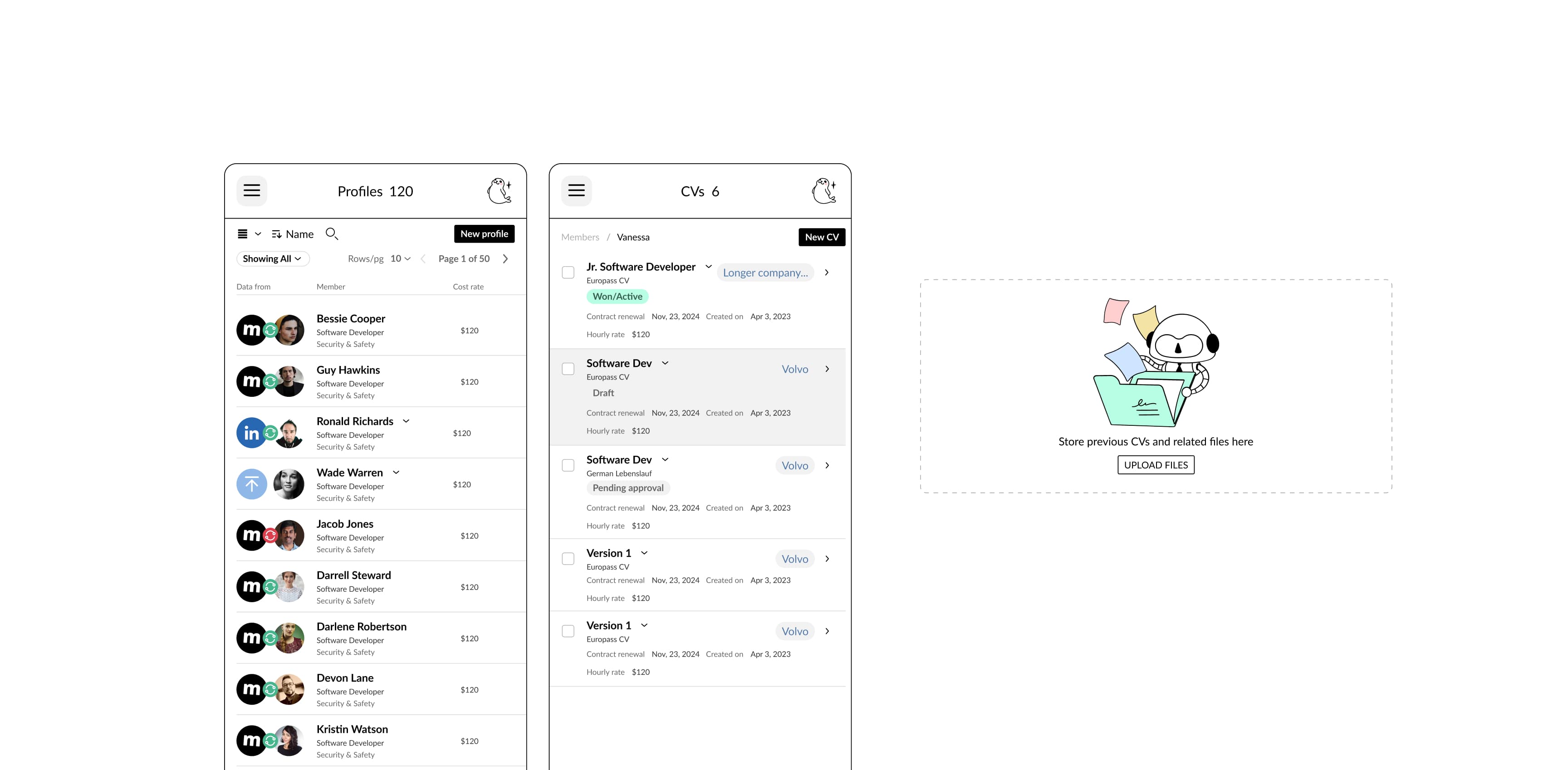
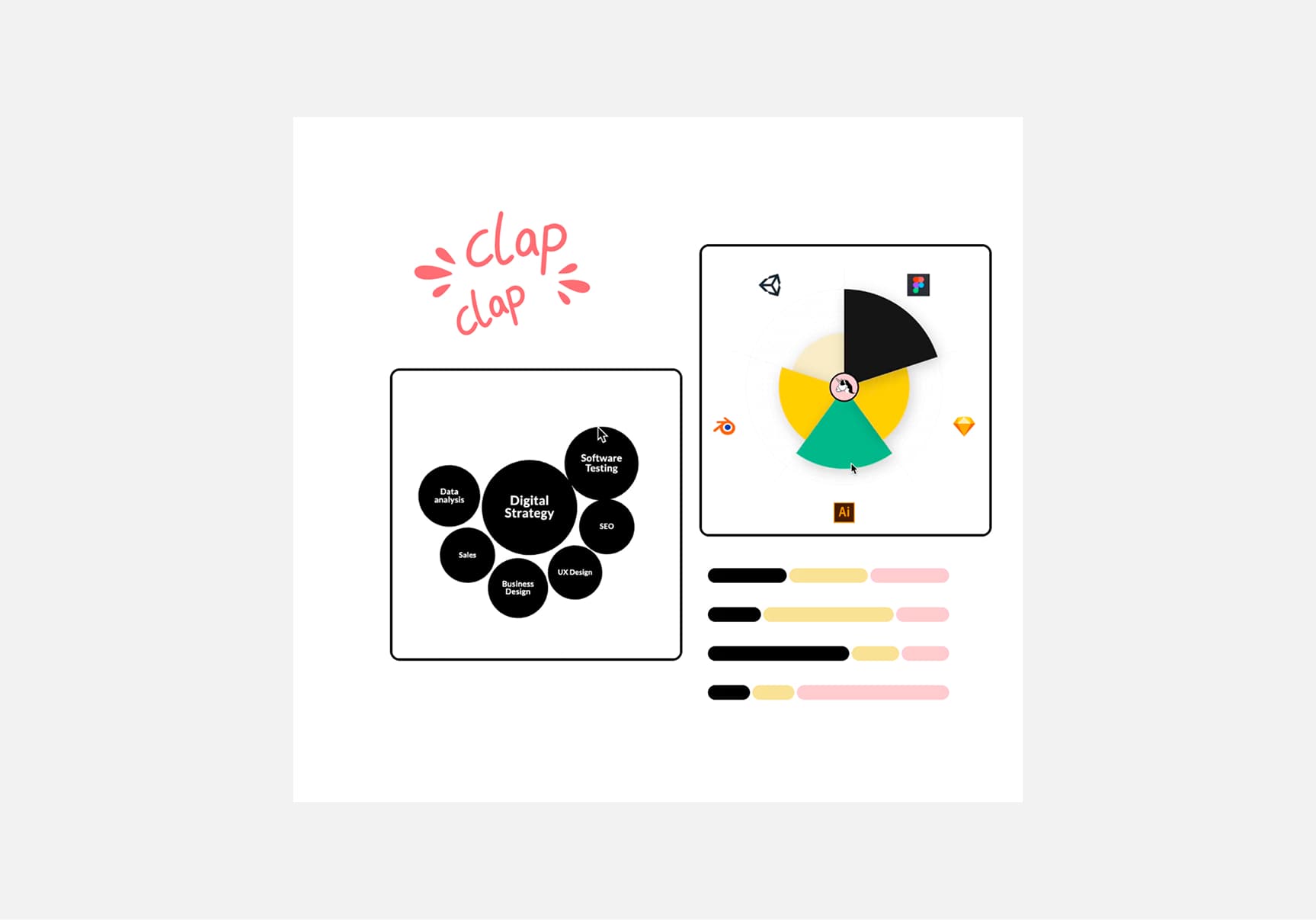
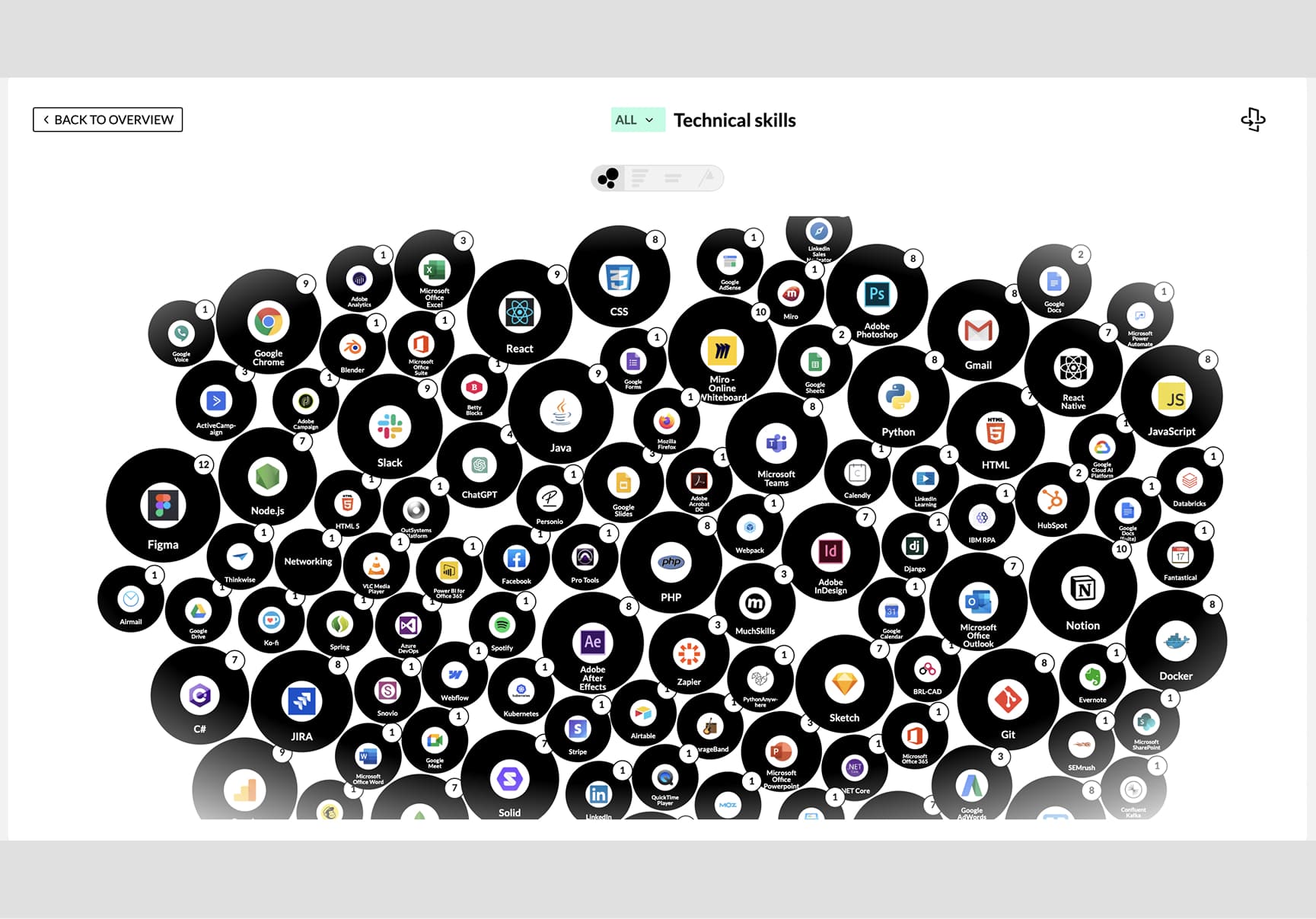
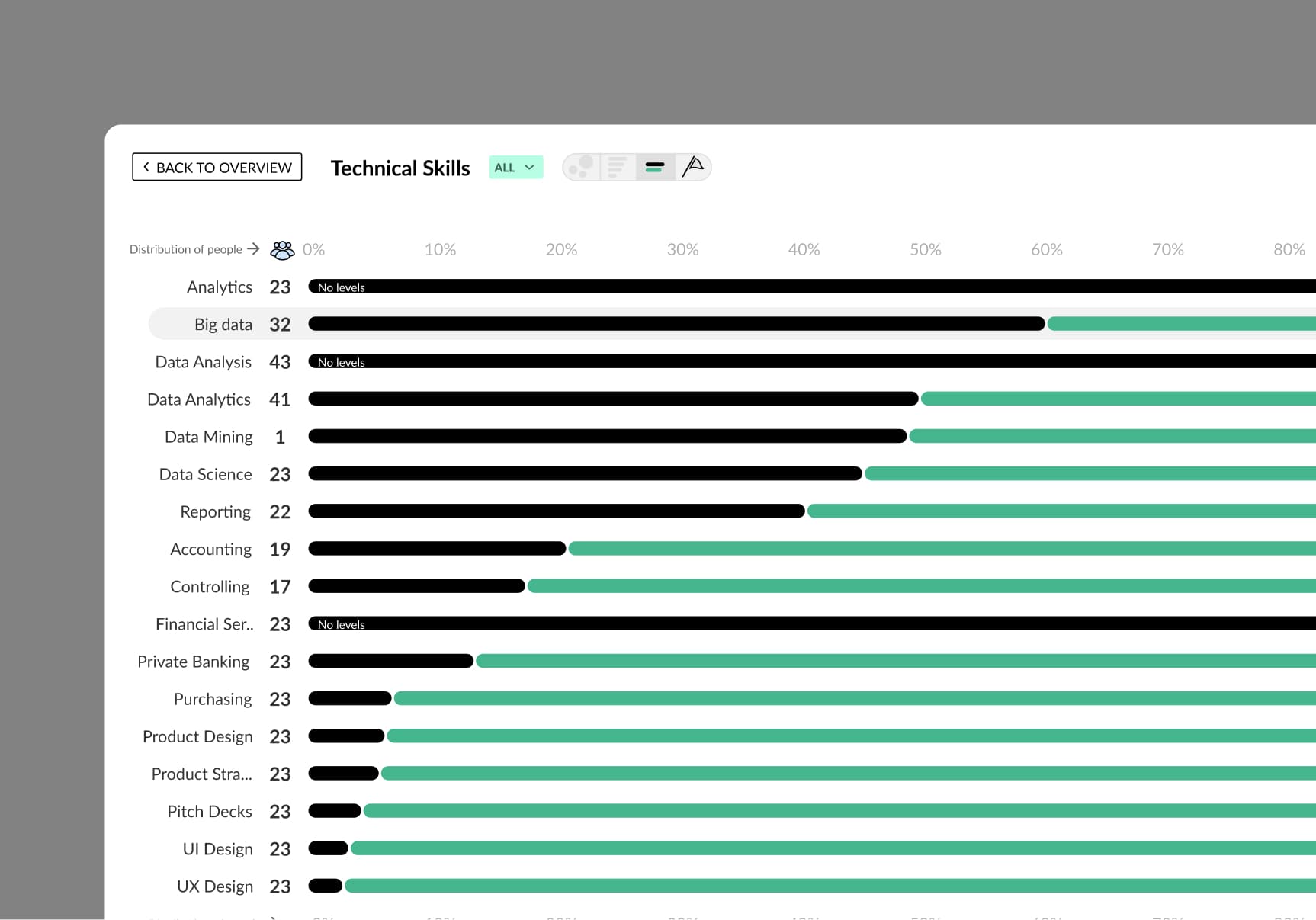
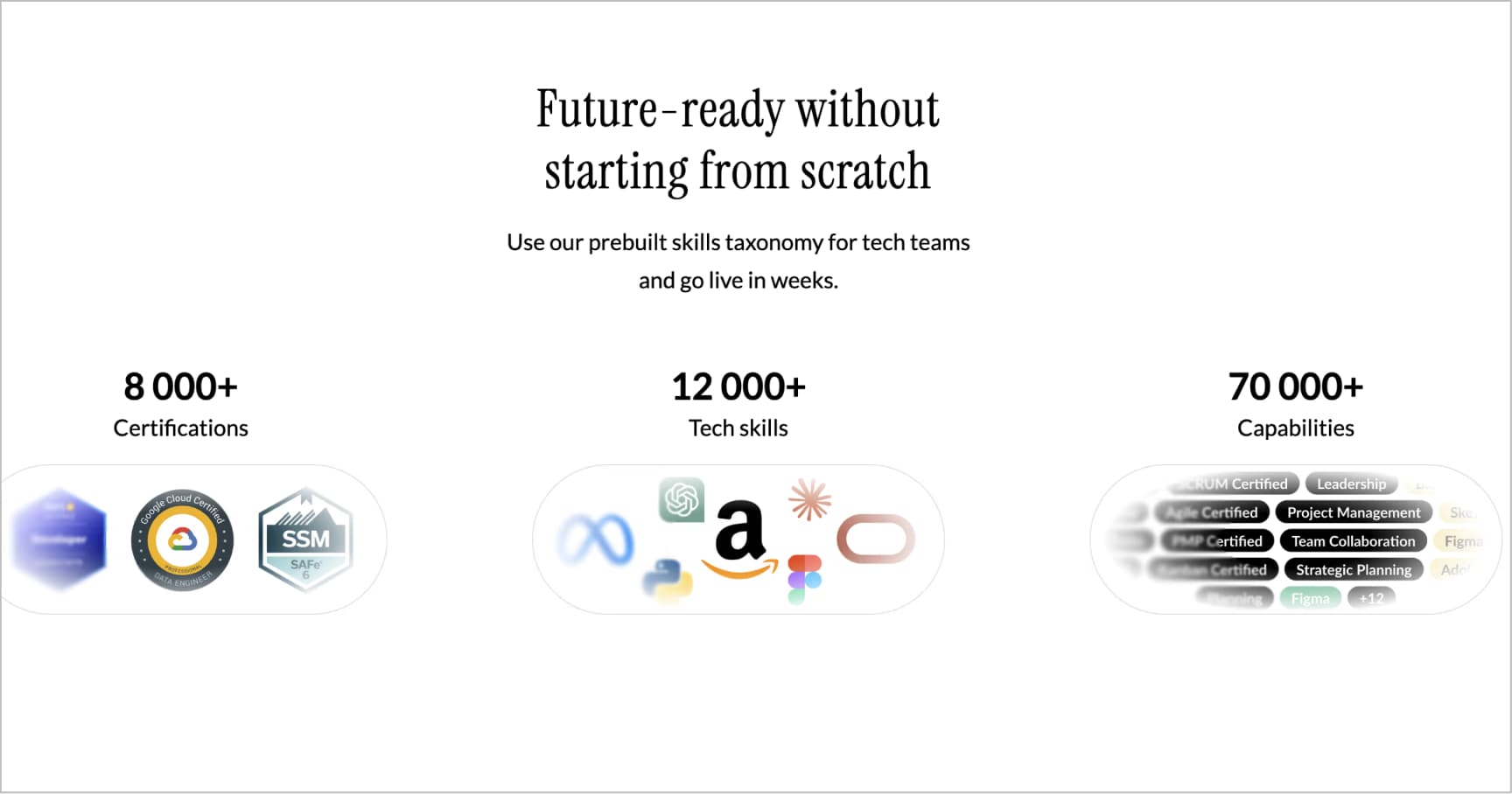
The design challenge was significant. Skills data is inherently complex – proficiency levels, certifications, gaps, team compositions, utilisation – and the instinct is to make it complicated. We went the other way. The MuchSkills interface is built around clarity: visual skills maps, intuitive input flows, and dashboards that give leaders the insight they need without requiring a data analyst to interpret them.
Every interaction was designed to feel lightweight and human – the kind of tool people actually want to use, not one they are forced to.

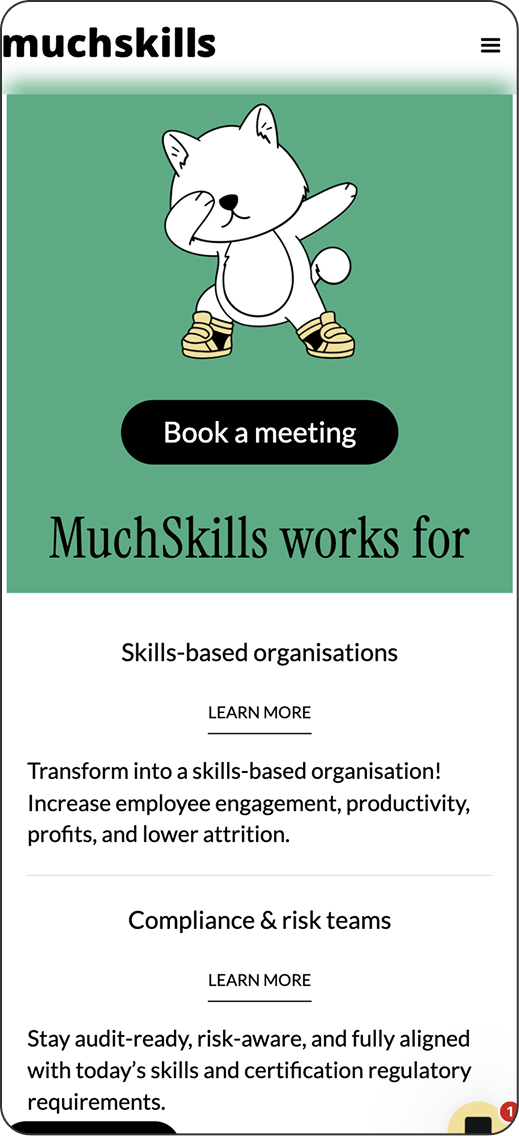
The brand needed to balance two things that rarely coexist: warmth and credibility. MuchSkills works for everyone from HR teams at global consultancies to compliance leaders in regulated industries. The visual identity – clean, distinctive, quietly playful – had to work across all of them without feeling generic.
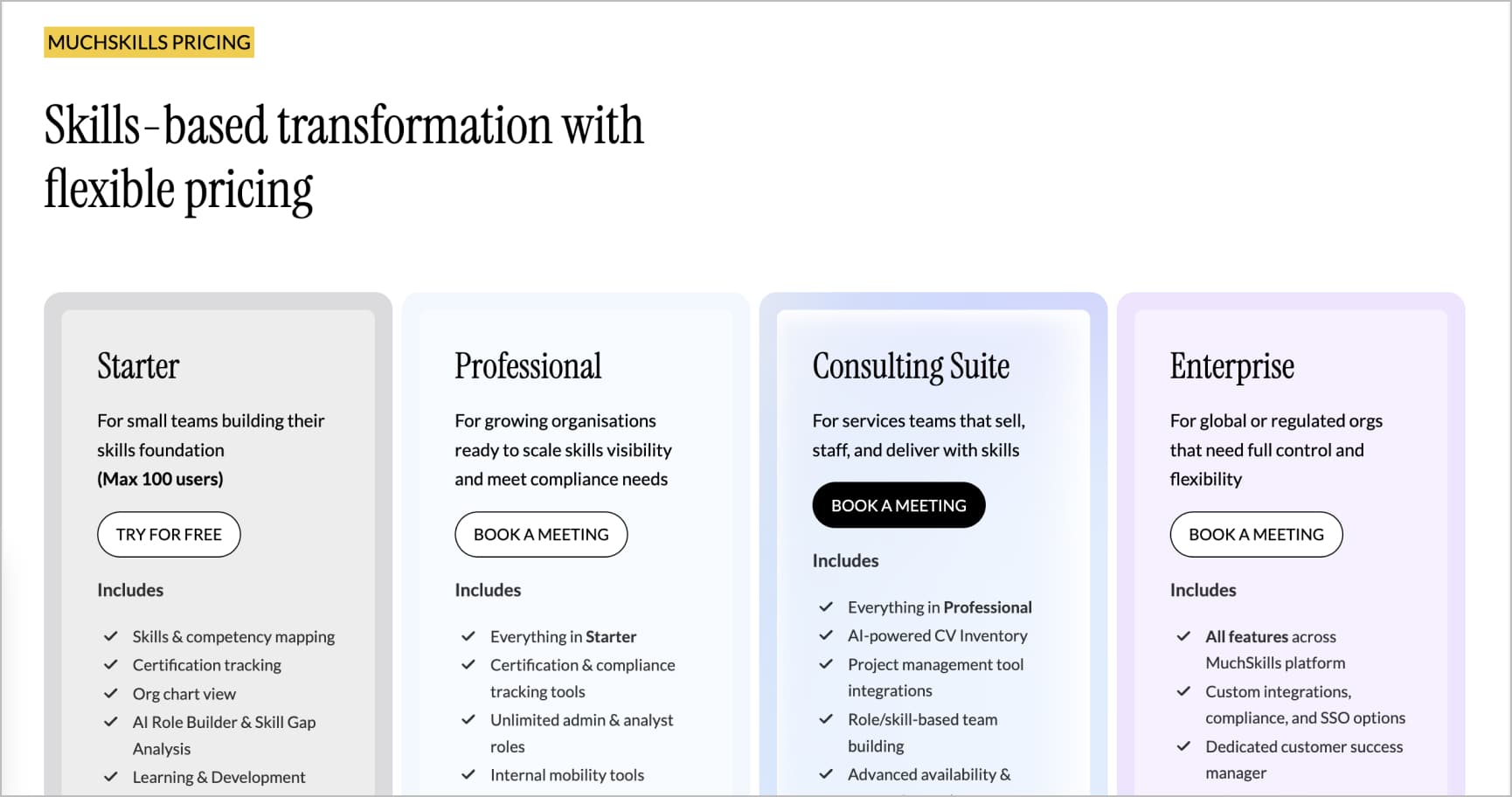
We built the full product – web app, mobile experience, integrations – on a bootstrapped budget. Then took it to market. The go-to-market strategy covered positioning, messaging, pricing, and the channel approach that would let a small team punch well above its weight.
MuchSkills has never stopped evolving. New features – CV Inventory, compliance tracking, resource management, API integrations — have been designed and shipped as the platform has grown. The product today serves HR and L&D leaders, consulting and professional services firms, compliance and risk teams, and tech and product organisations across the globe.

We work together with your management team
Customer Centric
Design Driven
Knowledge Transfer
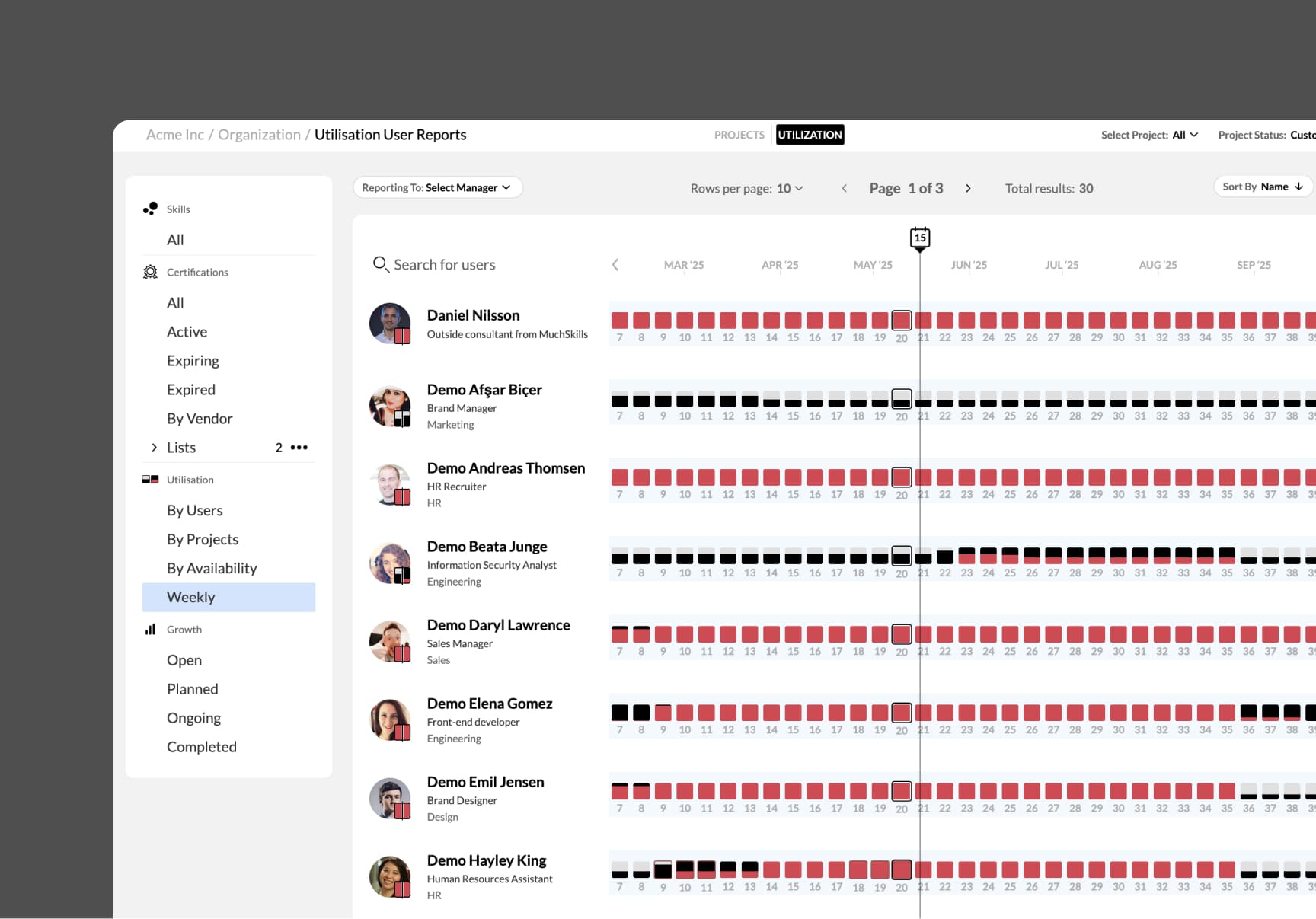
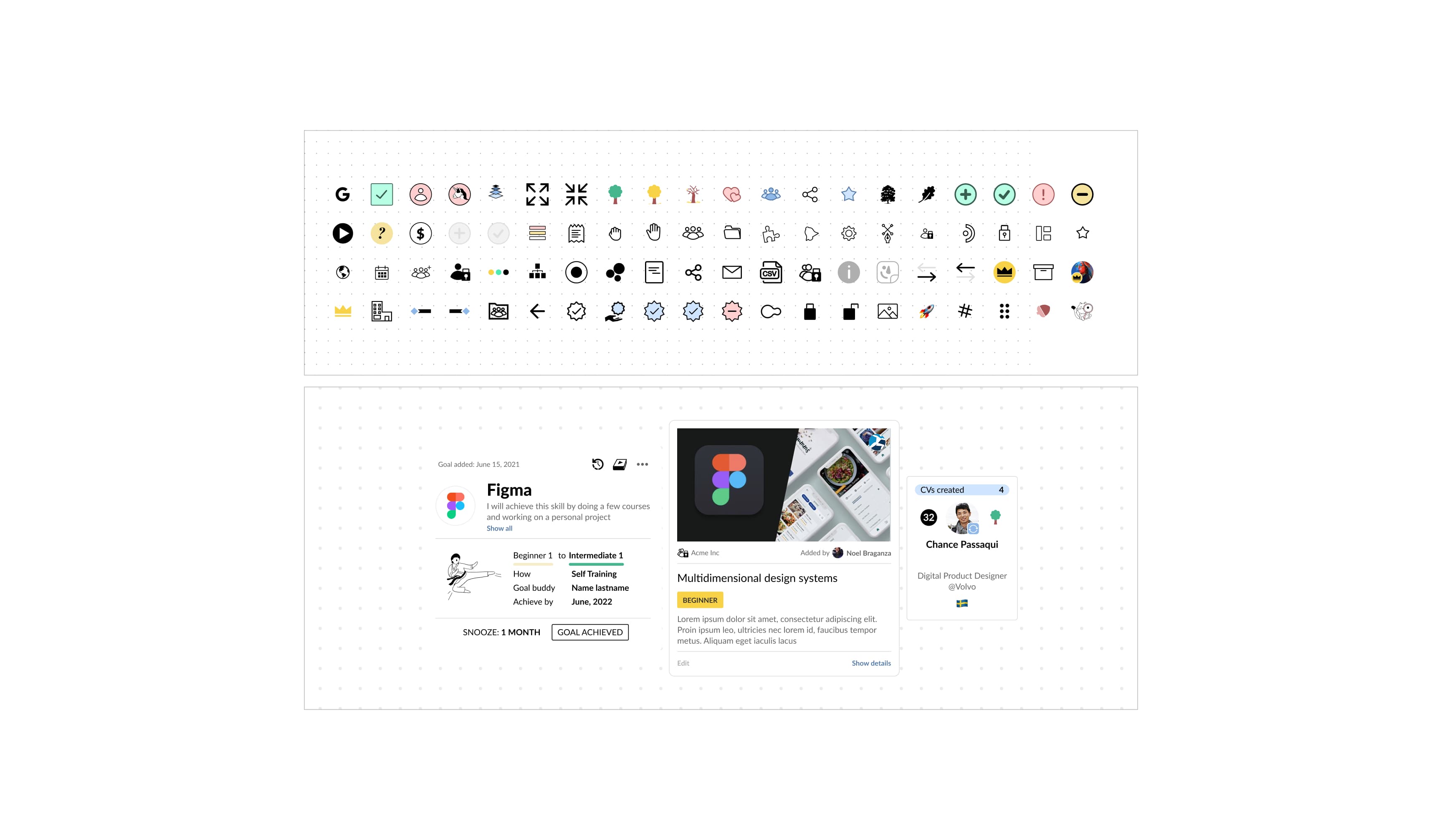
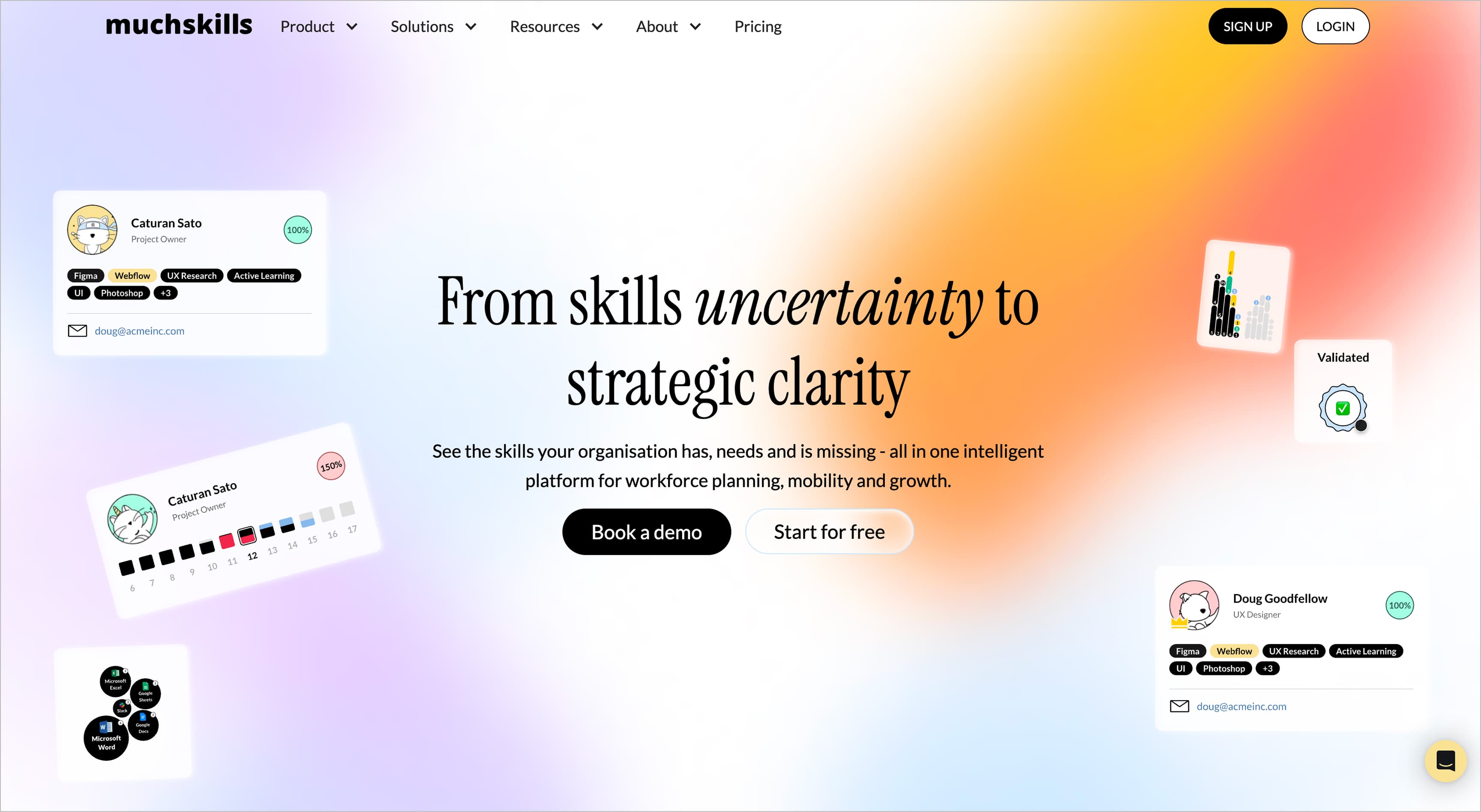
MuchSkills is now used by teams across the globe – consulting firms, universities, industrial companies, tech organisations. The platform has been recognised by Everest Group as a Major Contender in its PEAK Matrix, holds a Red Dot Design Award for product design, and consistently earns 5.0 ratings across independent software review platforms.
More than a product, MuchSkills is proof of how Up Strategy Lab works. When we say we think like founders – this is what we mean.



Design and build ambitious B2B digital products.
Visiting address:
Nordhemsgatan 56 | 413 09 | Göteborg | Sweden
Correspondence address:
🏢 Andra Långgatan 7A, 413 03 | Göteborg | Sweden