The AI design agency for features your users will actually trust
Up Strategy Lab designs the interface around AI features in existing B2B products: how users invoke them, understand the output, review it and recover when it is wrong. We then build those patterns into your design system so the next AI feature ships consistent with the first.








Why AI features get ignored
Most teams shipping AI are engineering-led by necessity, so the model gets the attention and the interface gets whatever time is left. Users meet an answer with no source, no sign of how sure it is and no way to fix it.
People don't argue with output they can't check. They quietly go back to doing the job by hand.
And the feature you spent a quarter on becomes the button nobody presses.
Four moments decide whether users trust the output
Users trust an AI feature when they can invoke it, understand it, review it and recover from it. We design each of those moments as carefully as your engineers built the model.
- Loading, empty and failure states for every AI output, designed before launch so your support team isn't the first to discover them.
- Documented design system components for prompts, sources, confidence and correction, with usage rules your developers can apply without us in the room.
- Handover training and documentation, always included, so the patterns outlive the engagement.
Invoke
The feature sits inside the screen where the work already happens, with suggested prompts or actions so users know what to ask. Nobody has to hunt for a sparkle icon.
Understand
Each answer shows its sources and a confidence indicator, written in the terms your users already use at work.
Review
Users can edit, accept or reject the result in place before anything is saved or sent, so they stay in charge of what goes out.
Recover
An undo, a clear way back and a one-click correction when the model gets it wrong, so a bad answer costs seconds and keeps the user's trust intact.

Retrofitting AI is harder than starting AI-native
A product people already know comes with habits and design rules. The new AI feature has to respect both, without the rest of the interface shifting under your customers.
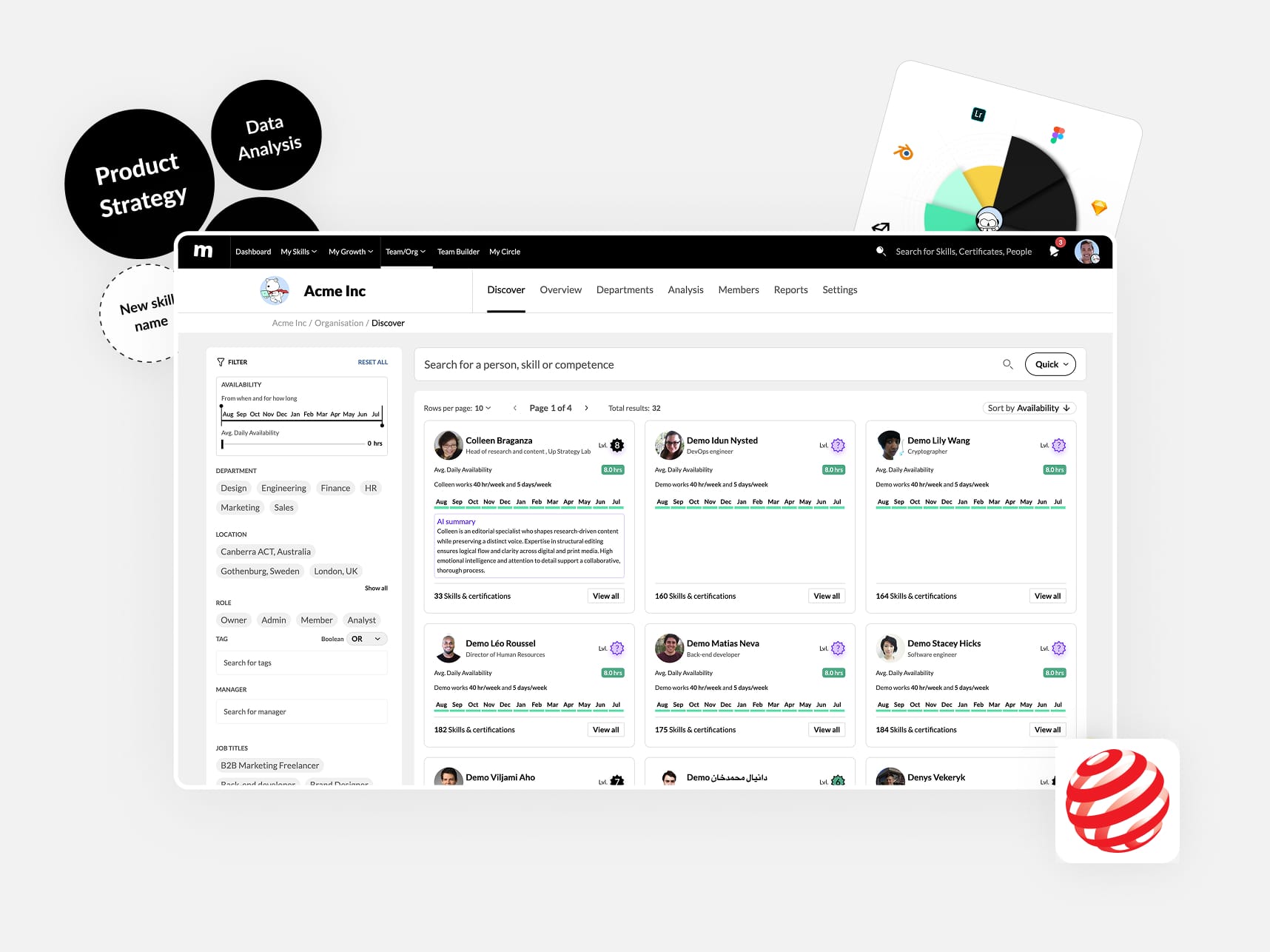
MuchSkills, the studio's own venture, grew from a spreadsheet prototype on a bootstrapped budget into a Red Dot Design Award winner, rated 5.0 on Capterra, GetApp and Software Advice.
AI feature design is a new practice area for us, so your feature could be the first named result on this page.
Read the MuchSkills case study
Interface design, not company-wide AI strategy
This page covers the AI your customers touch: the screens, controls and feedback inside your product.
Viking AnalyticsWhere to go next
UI/UX design agency
For when the whole interface, AI or not, confuses buyers past the sales deck. (/engagement/ui-ux-design-agency)
Digital product design
So new users get started without needing your team on a call. (/digital-product-design)
AI transformation
For getting AI to save hours in your operations, beyond the product. (/ai-transformation)
Related work
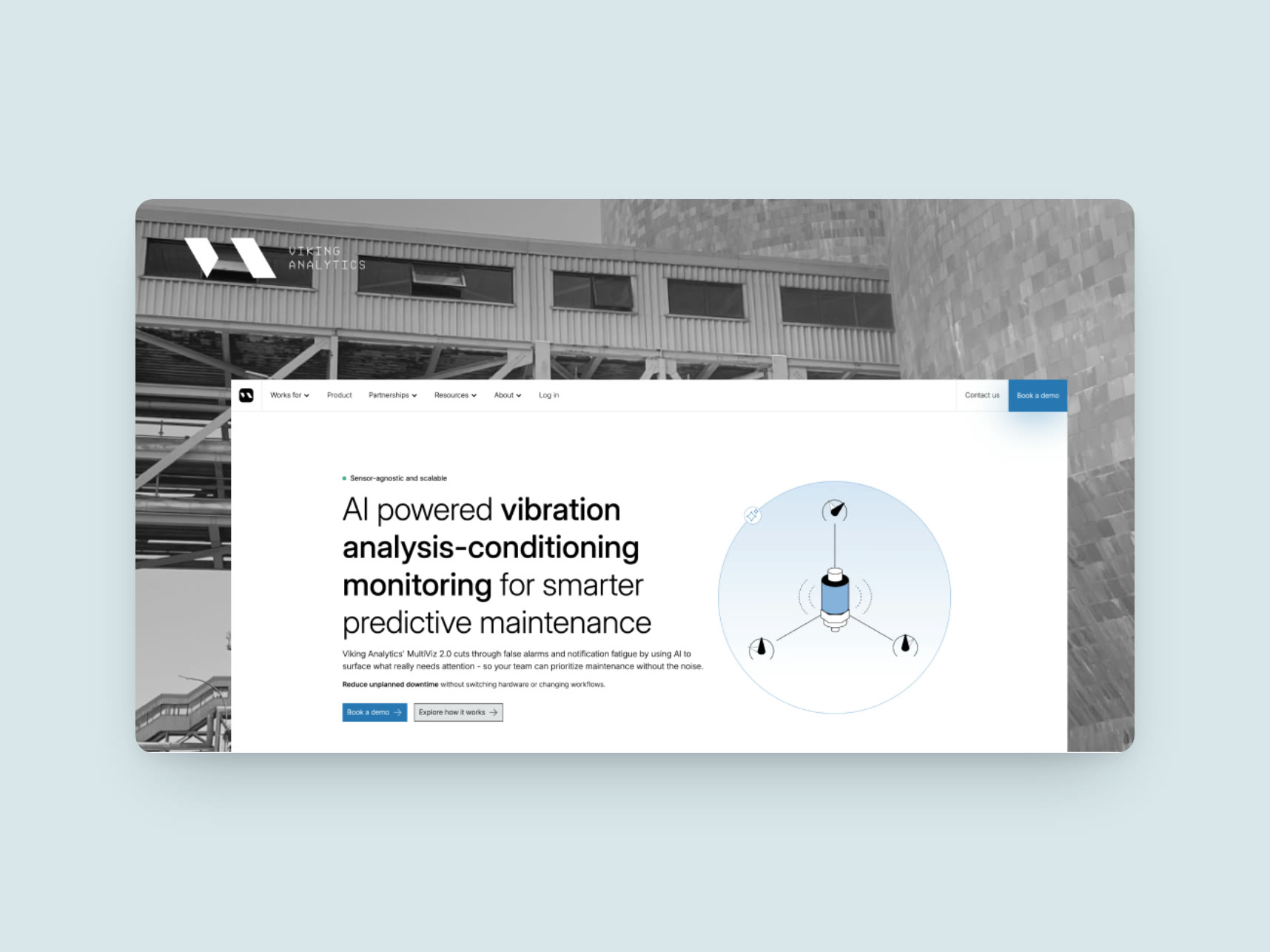
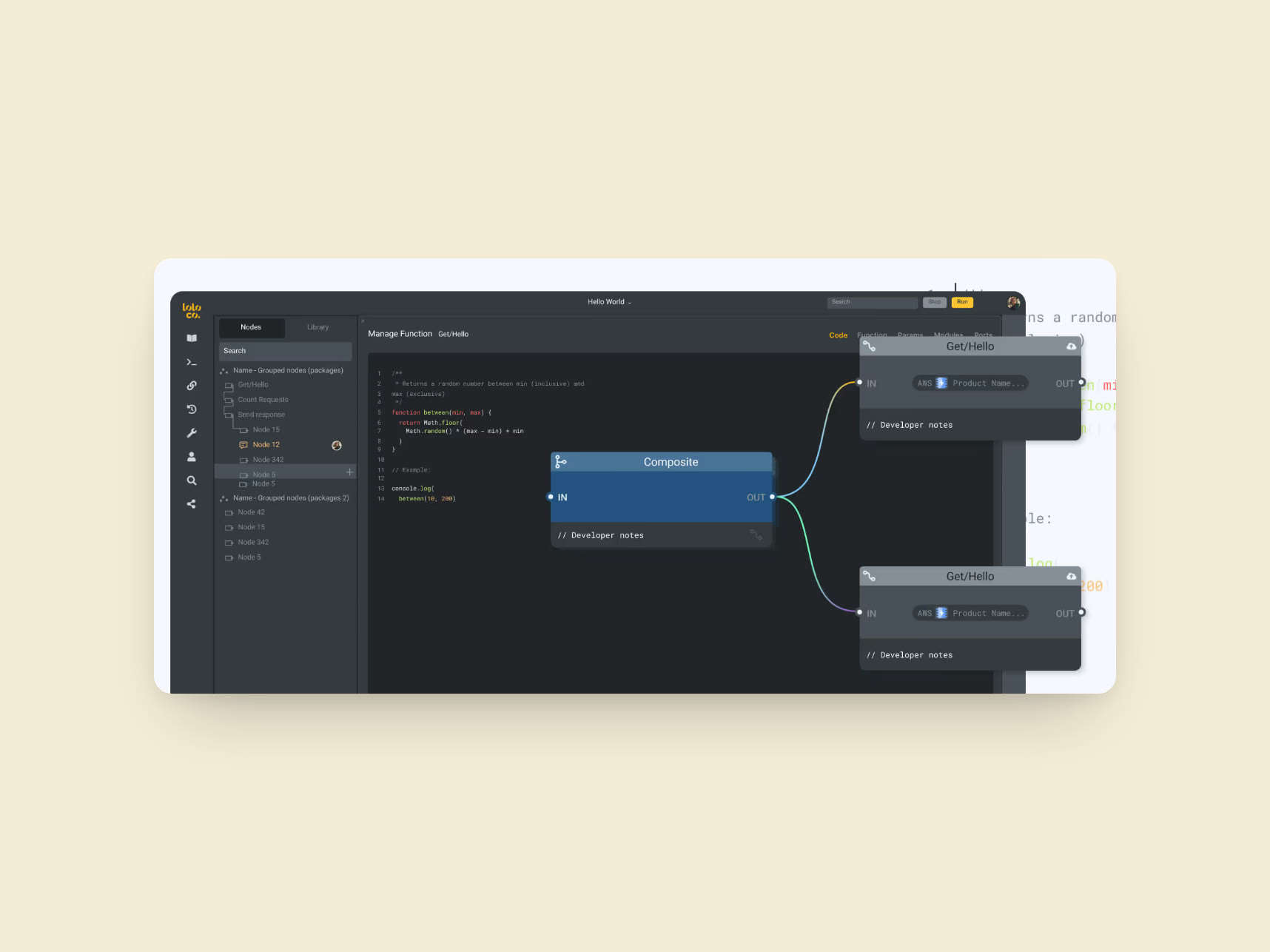

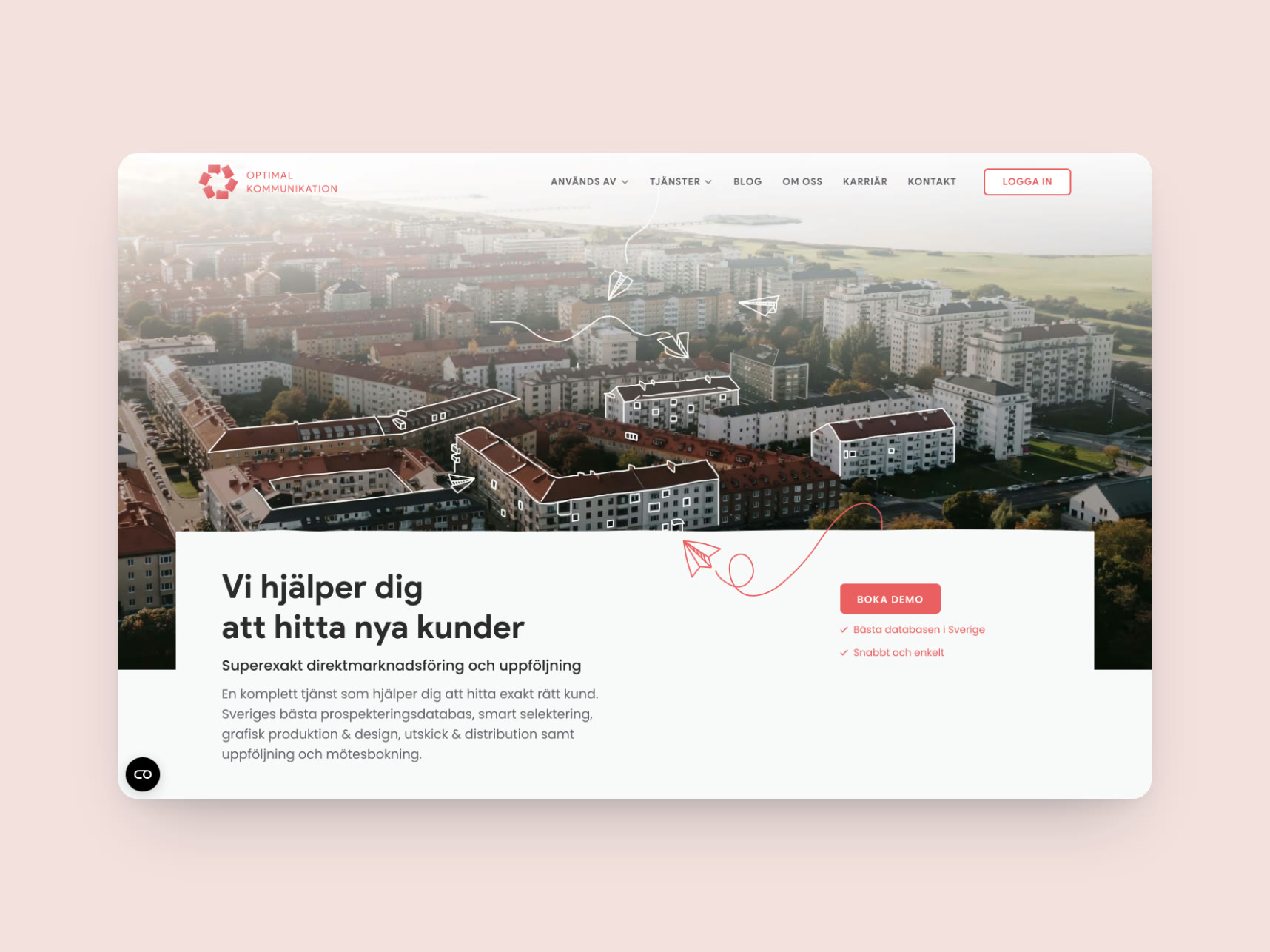

Designing AI into your product: straight answers

Who designs the interface around an AI feature so users trust it?
A product designer who understands both the model's limits and your users' workflow. Up Strategy Lab, a design and strategy studio founded in Gothenburg in 2018, designs how users invoke an AI feature, read its output, review it and recover from mistakes. We work alongside your engineers and turn those patterns into design system components your team keeps using after we leave.
What does AI-enabled design actually mean in practice?
AI-enabled design means two different things. The first is designing product interfaces that include AI features in ways users can understand and trust. The second is using AI tools inside the design process itself to speed up research, iteration and production. Up Strategy Lab does both, and this page is mainly about the first: the AI your customers see.
Do you need to understand our AI model to design the interface around it?
No, we don't need to know the model architecture. We do need to understand what the AI can do, how it fails and which decisions it makes, because that tells us where the interface needs feedback, user control and transparency. Usually a few working sessions with your engineers and a look at real outputs, including bad ones, is enough.
Is AI design only relevant for AI-native companies?
No. AI design matters for any B2B SaaS product adding AI features to an existing product, and that case is often harder. Retrofitting AI into an established interface means respecting habits your users already have and the rules of your current design system, while making the new feature easy to find and safe to rely on.
How do you design AI features into an existing SaaS product without breaking the interface?
Start from the workflows customers already use and place the AI feature inside them. We map where AI output enters each flow, design consistent patterns for confidence, review and correction, and add them to your design system as reusable components. Each new AI feature then follows the same rules instead of inventing its own.
How quickly can AI design workflows be introduced to a product team?
It depends on the work. AI tools in your design process can be introduced early in an engagement, while product-facing AI feature design depends on the feature's complexity and the state of your design system. You can bring in a senior designer embedded in your team, half-time or full-time, or run a fixed project with an agreed scope, usually three to six months.
What's the difference between this page and AI transformation?
This page is about interface design for AI features inside a product: how users invoke, understand, review and correct them. Up Strategy Lab's AI transformation page (/ai-transformation) is about organisation-level AI: finding where AI saves time or money across a business, then building and running those tools, including through One AI Advisory, co-founded with Jenny Holm. Product teams usually want this page; operations leaders want the other.
Show us the AI feature nobody is using
Bring a screenshot, a few real outputs (the embarrassing ones help most) and where users give up. We will reply within one business day.