Fix the design debt that is costing your SaaS deals
Design debt is the accumulated cost of every UX shortcut taken under time pressure. For SaaS product and engineering leads, it is often why deals stall once the buyer gets past the sales deck, and why trial users go quiet in week one.














Every release adds interest
Design debt builds up in specific places: components made one-off instead of from a system, flows built under sprint pressure and never revisited, and onboarding mapped to an early user who no longer looks like your buyer.
Viking AnalyticsThree outsiders will show you where the debt is
Ask three people from outside your team to complete your core user journey without guidance. Watch where they hesitate or ask a question: every hesitation marks design debt.
If your sales lead has to explain a screen before an enterprise buyer can read it, you have already found some.
Pay it down while the roadmap keeps shipping
Rank it by what it costs you
We go through your core journeys and rank each problem by its cost in deals, activation or support load, so the first fixes are the ones your buyers notice.
Fix the flows that close deals
Onboarding, the demo path and the screens your biggest accounts use daily usually go first, shipped in the same releases as your planned work.
Put a system underneath
A documented design system stops new debt piling up. Training and documentation are part of every handover, so your developers keep using it after we leave.
Clear the rest release by release
Lower-priority issues follow over time. Engineering capacity is agreed before design starts, so the work reaches production instead of sitting in a file.
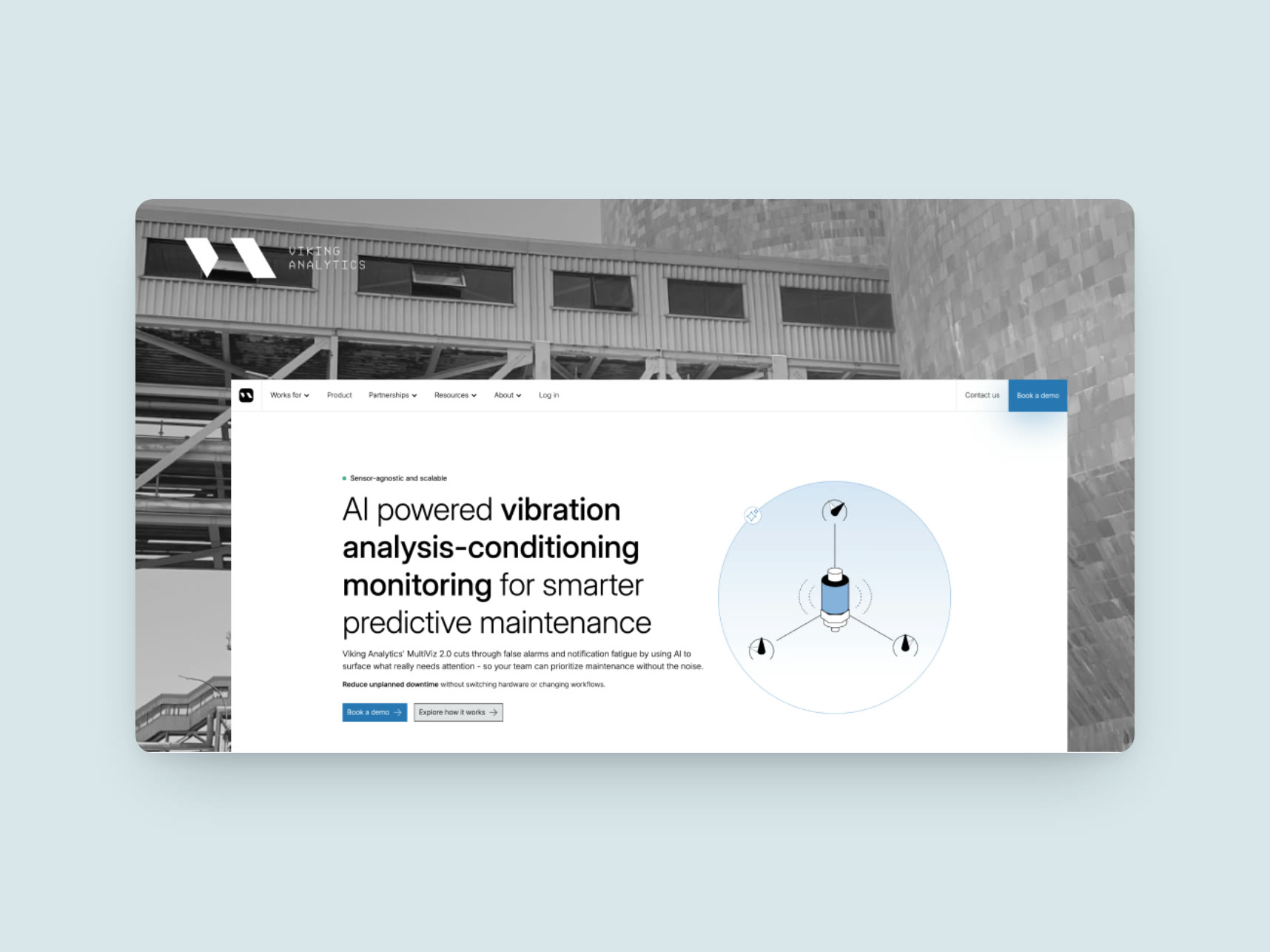

Viking Analytics: a product that finally matched its pitch
Viking Analytics sells an AI predictive-maintenance platform. Across nine months we rebuilt it as MultiViz 2.0 while also reworking the website, go to market and partner program.
Because the product and the market story were fixed together, the platform buyers saw in a demo was the one the website had promised.
Read the Viking Analytics case studyMonths, not a year-long redesign
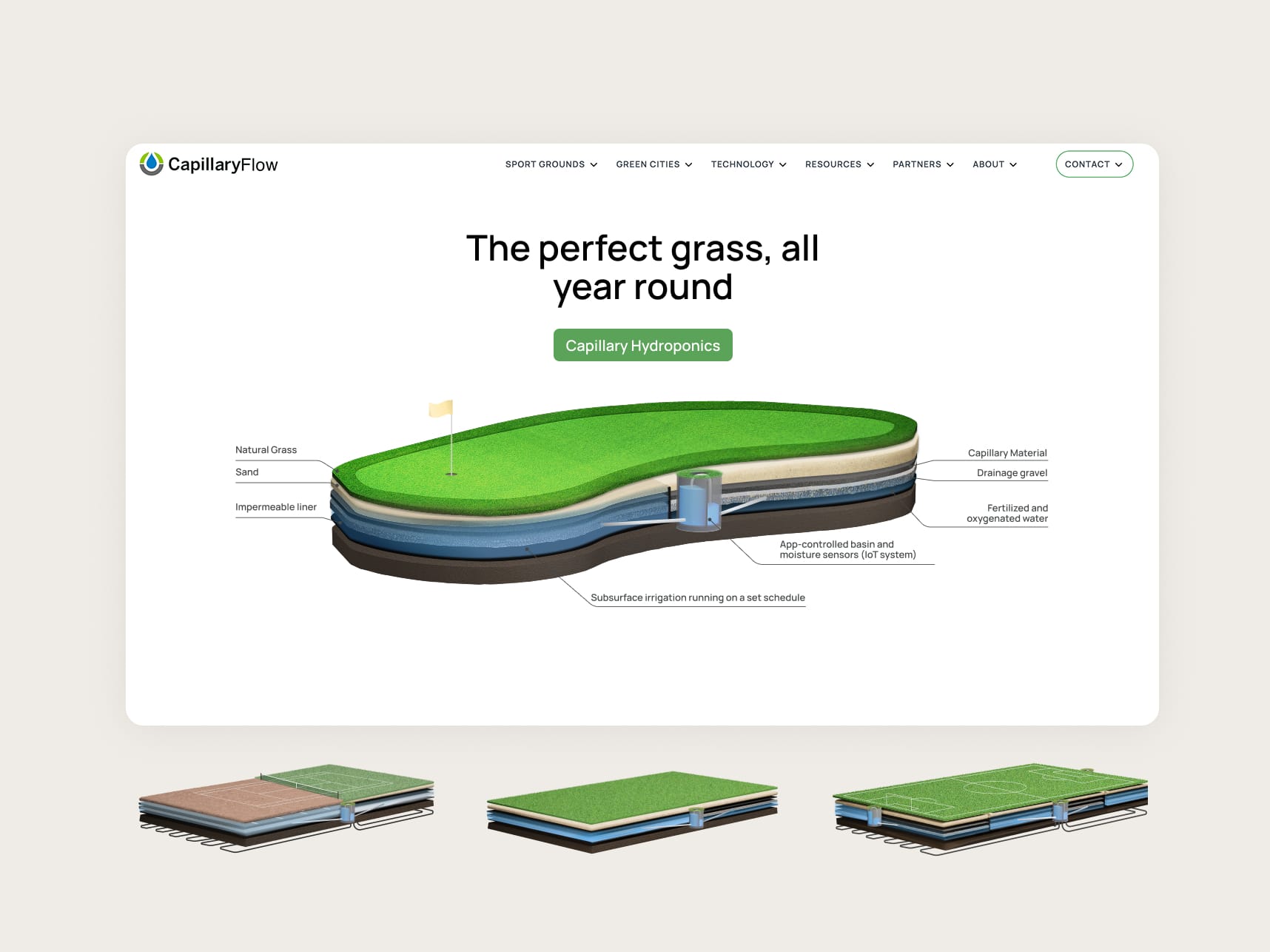
Our published projects have run from one month (Lolo) to over a year (CapillaryFlow, FreePower), and we stay through adoption after launch.
A fixed project
An agreed scope that usually runs three to six months, starting with the flows that cost you most.
A senior designer in your team
Half-time or full-time, working inside your sprints and clearing debt release by release for as long as you need.
Related work


Straight answers on finding and fixing design debt

How do I know if my product has significant design debt?
A reliable proxy: ask three people outside your team to complete your core user journey without guidance and watch where they hesitate or ask questions. Every hesitation is a design debt indicator. More formally, a UX audit maps these systematically and prioritises them by business impact.
How long does it take to meaningfully reduce design debt?
For most B2B SaaS products, a focused six-to-eight week engagement fixes the highest-impact flows and establishes the design system foundation. Full resolution across a mature product typically takes three to six months.
Can we fix design debt without a redesign?
Yes, and for most products this is the right approach. Design debt resolution is better done incrementally: fix the highest-impact problems first, establish system foundations that prevent new debt from accumulating, then work through lower-priority issues over time.
Who should lead design debt resolution, a designer, a PM, or engineering?
A senior designer needs to lead it, with PM support for prioritisation and engineering capacity to implement. The most common failure mode is a designer producing excellent work that never makes it into production because engineering bandwidth wasn't committed upfront.
What's the earliest sign of design debt in a growing SaaS product?
The earliest sign of design debt in a growing SaaS product is usually a question that keeps repeating: the same "where do I find this?" in onboarding calls, or a demo where sales explains a screen before the buyer can read it. It appears in support tickets and demo notes well before it shows in churn or win rates, so those are the places to look first.
Find out what your design debt is costing you
Tell us where deals or renewals are slipping and we will map the highest-impact problems with you. We reply within one business day.